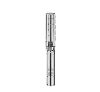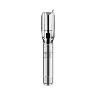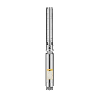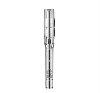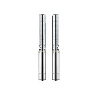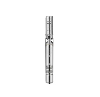
Axial flow pumps, as a common type of water pump, play an important role in water treatment, agricultural irrigation, urban drainage, and other fields. Regular maintenance is essential to ensure the proper operation and extend the life of axial flow pumps.
Daily Inspection
Daily inspection is the foundation of axial flow pump maintenance. Users should regularly check the integrity of key components such as the pump body, bearings, and seals, and ensure the pump is operating normally. Also, pay attention to the pump's inlet and outlet pressures to ensure they are within normal ranges.
Regular Cleaning
Axial flow pumps are prone to accumulation of silt, sand, and other debris during operation, which can affect pump performance. Therefore, users should regularly clean the pump body and impeller to keep them clean. When cleaning, use a soft brush and clean water to gently scrub, avoiding scratches with sharp tools.
Bearing Lubrication
Bearings are a key component of axial flow pumps, and their lubrication directly affects the pump's operating stability and lifespan. Users should regularly check the bearing lubrication and add or replace lubricant as needed. At the same time, be sure to select the appropriate type and brand of lubricant to ensure adequate lubrication of the bearings.
Seal Replacement
Axial flow pump seals are prone to wear and aging after prolonged use. To ensure proper sealing performance, users should regularly inspect and replace severely worn seals. When replacing, select seals that match the pump model and install them correctly according to the instructions.
Winter Maintenance
In cold regions, users should perform special maintenance on axial flow pumps during winter. First, ensure that all water in the pump body is drained to prevent ice from forming and damaging the pump body. Second, perform rust-proofing on the pump body by applying anti-rust oil or wrapping it with anti-rust cloth to prevent rust.