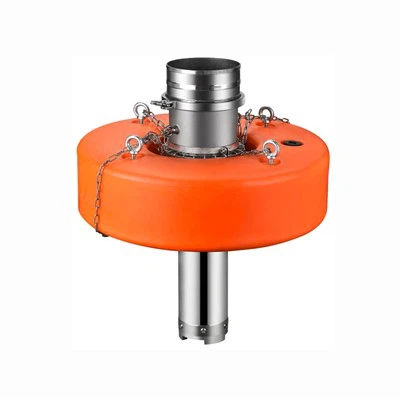
Can a submersible sprinkler pump be used for fountains? This is a question that often arises among those looking to create an eye - catching water feature or enhance an existing one. As a supplier of Submersible Sprinkler Pump, I've had numerous discussions with customers about the versatility of these pumps, and I'm here to share some insights.
Understanding Submersible Sprinkler Pumps
Submersible sprinkler pumps are designed primarily for agricultural and irrigation purposes. They are built to be submerged in water, typically in wells, ponds, or other water sources. These pumps work by pushing water through a system of pipes and sprinklers to distribute water evenly over a large area. They are known for their efficiency, durability, and ability to handle different water volumes and pressures.
The key components of a submersible sprinkler pump include an electric motor, an impeller, and a housing. The electric motor powers the impeller, which rotates at high speed to create a centrifugal force. This force draws water into the pump and then pushes it out through the outlet at a high pressure.
Suitability for Fountains
Now, let's address the question at hand: Can a submersible sprinkler pump be used for fountains? The answer is yes, in many cases. There are several factors that make submersible sprinkler pumps a viable option for fountain applications.


Pressure and Flow Rate
One of the most important considerations when choosing a pump for a fountain is the pressure and flow rate. Fountains come in various sizes and designs, from small tabletop fountains to large public water features. Submersible sprinkler pumps can be selected based on the specific requirements of the fountain.
For smaller fountains, a pump with a lower flow rate and pressure may be sufficient. These pumps can create gentle, soothing water flows, ideal for creating a relaxing atmosphere. On the other hand, larger fountains with more elaborate designs, such as those with multiple jets or high - reaching sprays, require a pump with a higher flow rate and pressure. Many submersible sprinkler pumps are capable of delivering the necessary pressure and flow to create impressive fountain displays.
Submersion Capability
As the name suggests, submersible sprinkler pumps are designed to be submerged in water. This is a significant advantage when it comes to fountain applications. Submerging the pump in the fountain's reservoir helps to keep it cool, which can extend its lifespan. Additionally, a submerged pump operates more quietly compared to above - ground pumps, reducing noise pollution and creating a more pleasant environment.
Durability
Fountains are often exposed to the elements, and the pump needs to be able to withstand these conditions. Submersible sprinkler pumps are typically built with durable materials that can resist corrosion and wear. They are designed to operate continuously for long periods, making them suitable for the constant operation required in many fountain setups.
Limitations and Considerations
While submersible sprinkler pumps can be used for fountains, there are also some limitations and considerations to keep in mind.
Water Quality
The quality of the water in the fountain can have a significant impact on the performance and lifespan of the pump. Submersible sprinkler pumps are designed to handle relatively clean water. If the fountain water contains a high level of debris, sediment, or chemicals, it can cause damage to the pump's components, such as the impeller and motor. Regular maintenance, including water filtration and cleaning, is essential to ensure the proper functioning of the pump.
Fountain Design
The design of the fountain itself can also affect the suitability of a submersible sprinkler pump. Some fountains may have complex plumbing systems or unique water flow requirements that may not be easily met by a standard submersible sprinkler pump. In such cases, it may be necessary to modify the pump or use additional components, such as valves or regulators, to achieve the desired water flow and pressure.
Comparing with Other Fountain Pumps
There are other types of pumps commonly used for fountains, such as centrifugal pumps and diaphragm pumps. Let's compare submersible sprinkler pumps with these alternatives.
Centrifugal Pumps
Centrifugal pumps are widely used in fountain applications. They work on the same principle as submersible sprinkler pumps, using a rotating impeller to create a centrifugal force. However, centrifugal pumps can be either submersible or above - ground. Above - ground centrifugal pumps may require more complex installation and may be noisier than submersible sprinkler pumps. Submersible sprinkler pumps, on the other hand, are easier to install and operate quietly, making them a popular choice for many fountain owners.
Diaphragm Pumps
Diaphragm pumps are known for their ability to handle viscous fluids and solids. They are often used in applications where the water contains debris or particles. However, diaphragm pumps are generally less efficient than submersible sprinkler pumps and may not be able to deliver the same high flow rates and pressures. For most fountain applications, where the water is relatively clean, a submersible sprinkler pump is a more suitable option.
Real - World Examples
To illustrate the practical use of submersible sprinkler pumps in fountains, let's look at a few real - world examples.
Residential Fountains
In many residential gardens, small to medium - sized fountains are a popular addition. A submersible sprinkler pump can be used to create a beautiful water feature with a gentle water flow. For example, a backyard pond with a simple fountain jet can be powered by a submersible sprinkler pump. The pump can be easily installed in the pond, and with the right selection of nozzles, it can create an attractive water display.
Commercial Fountains
In commercial settings, such as hotels, shopping malls, and public parks, larger and more elaborate fountains are often installed. Submersible sprinkler pumps can be used to power these fountains, providing the necessary pressure and flow to create spectacular water shows. For instance, a large public fountain with multiple jets and synchronized water patterns can be effectively operated by a high - capacity submersible sprinkler pump.
Making the Right Choice
If you're considering using a submersible sprinkler pump for your fountain, here are some steps to help you make the right choice.
Assess Your Fountain Requirements
First, determine the size, design, and water flow requirements of your fountain. Consider factors such as the number of jets, the height of the water spray, and the overall water volume. This will help you select a pump with the appropriate flow rate and pressure.
Consider Water Quality
As mentioned earlier, water quality is an important factor. If your fountain water is likely to contain debris or sediment, you may need to choose a pump with a built - in filtration system or install an external filter.
Evaluate Pump Features
Look for features such as energy efficiency, durability, and ease of maintenance. Some submersible sprinkler pumps come with additional features, such as adjustable flow rate and pressure control, which can be useful for fine - tuning the fountain's performance.
Conclusion
In conclusion, a submersible sprinkler pump can be a great choice for fountains in many situations. Its ability to provide the necessary pressure and flow, along with its submersion capability and durability, make it a versatile option for both residential and commercial fountain applications. However, it's important to consider the limitations and specific requirements of your fountain to ensure the proper selection and operation of the pump.
If you're interested in learning more about our Submersible Sprinkler Pump or Submersible Pump for Farming and how they can be used for your fountain, we encourage you to reach out to us for a detailed discussion. Our team of experts is ready to assist you in making the right choice for your specific needs.
References
- Smith, J. (2020). Water Pump Handbook. Publisher Name.
- Johnson, R. (2019). Fountain Design and Installation Guide. Another Publisher.