Do Fire Pontoon Pumps require a lot of maintenance?
Hey there! I'm a supplier of Fire Pontoon Pumps, and I often get asked this question: Do Fire Pontoon Pumps require a lot of maintenance? Well, let's dig into it and find out.
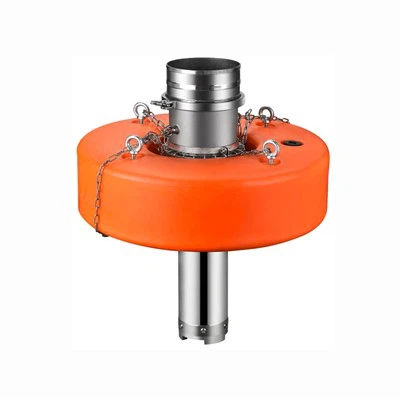
First off, what are Fire Pontoon Pumps? These are specialized pumps designed to draw water from large bodies like lakes, rivers, or ponds for firefighting purposes. They're usually mounted on pontoons, which keep them floating on the water surface. They're super useful in areas where there aren't proper water hydrants or when a large volume of water is needed quickly.
Now, let's talk about maintenance. Like any piece of equipment, Fire Pontoon Pumps do need some upkeep, but whether it's a "lot" depends on a few factors.
Factors Affecting Maintenance Requirements
1. Usage Frequency
If your Fire Pontoon Pump is used frequently, say during a wildfire season where it's running almost daily, it'll need more attention. Regular use can cause wear and tear on the moving parts. The impeller, for example, which is responsible for drawing and pushing water, can get damaged over time. You might need to check it more often for any signs of corrosion or chips.
On the other hand, if it's used only occasionally, like for a small local fire once in a blue moon, the maintenance schedule can be less intense. But even then, you can't just leave it sitting there for years without a check-up.
2. Water Quality
The quality of the water the pump is drawing from plays a huge role. If the water is clean, with few impurities, the pump will face less stress. However, if the water is full of sediment, debris, or chemicals, it can cause problems. Sediment can clog the intake valve or damage the pump's internal components. Chemicals can lead to corrosion, especially if the pump isn't made of corrosion-resistant materials.
For instance, if you're using the pump in a river near a construction site where there's a lot of dirt and sand in the water, you'll have to clean the intake filters more often. You might also need to flush the pump with clean water after each use to prevent any build-up.
3. Environmental Conditions
The environment where the pump is stored and used matters too. If it's kept outdoors in a humid or salty environment, like near the coast, the pump is more likely to rust. Saltwater is particularly corrosive, and it can eat away at the metal parts of the pump. In such cases, you'll need to apply anti-corrosion coatings regularly and store the pump in a dry place when not in use.


In cold climates, you have to worry about freezing. Water left in the pump can freeze and expand, causing cracks in the pump housing or pipes. So, before the cold weather sets in, you need to drain all the water from the pump and maybe even use a winterizing kit.
Routine Maintenance Tasks
1. Visual Inspections
This is the easiest and most basic form of maintenance. You should do a visual check of the pump before and after each use. Look for any signs of damage, like cracks in the housing, loose bolts, or leaks. Check the pontoons for any punctures or signs of wear. If you notice any issues, it's best to address them right away before they turn into bigger problems.
2. Filter Cleaning
As I mentioned earlier, the intake filters are crucial. They prevent debris from entering the pump and causing damage. Depending on the water quality, you might need to clean the filters after every use or at least once a week if the pump is used regularly. Just remove the filters, rinse them under clean water, and put them back in. It's a quick and easy task that can save you a lot of headaches in the long run.
3. Lubrication
The moving parts of the pump, like the bearings and seals, need to be lubricated regularly. This reduces friction and wear, ensuring the pump runs smoothly. Check the manufacturer's instructions for the right type of lubricant to use and how often to apply it. Usually, it's a good idea to lubricate these parts every few months or after a certain number of operating hours.
4. Testing
You should test the pump periodically to make sure it's working properly. This can be as simple as running it for a few minutes and checking the water flow and pressure. If you notice any changes in performance, like a decrease in water output or strange noises, it could be a sign of a problem. In that case, you might need to do a more in-depth inspection or call in a professional.
How Much Maintenance is "A Lot"?
Compared to some other types of equipment, Fire Pontoon Pumps don't necessarily require an excessive amount of maintenance. If you follow a regular maintenance schedule and take care of the pump properly, it can last for a long time with minimal issues.
For example, Electric Fire Fighting Pump might have different maintenance needs. Electric pumps often require more attention to the electrical components, like checking the wiring for any damage or loose connections. Commercial Fire Pumps, such as Commercial Fire Pump, are usually used in larger, more complex systems and might need more comprehensive maintenance plans.
In general, if you're willing to spend a little time each month on basic maintenance tasks like visual inspections, filter cleaning, and lubrication, you can keep your Fire Pontoon Pump in good shape. It's all about being proactive and catching any problems early.
Conclusion
So, to answer the question, Fire Pontoon Pumps do require some maintenance, but it doesn't have to be a huge burden. By considering factors like usage frequency, water quality, and environmental conditions, and by following a regular maintenance routine, you can ensure your pump is always ready when you need it.
If you're in the market for a Fire Pontoon Pump or have any questions about maintenance or our products, feel free to reach out. We're here to help you make the right choice and keep your equipment in top-notch condition.
References
- Manufacturer's manuals for Fire Pontoon Pumps
- Industry best practices for pump maintenance