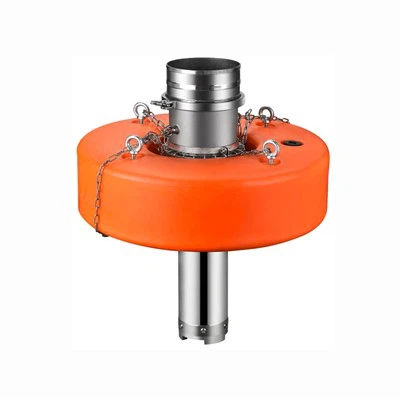
As a supplier of flood control pumps, I've been frequently asked whether a flood control pump can be used in combination with a generator. This is a crucial question, especially in areas prone to flooding where power outages are common during flood events. In this blog post, I'll delve into the feasibility, benefits, and considerations of using a flood control pump in tandem with a generator.
Feasibility of Combining Flood Control Pumps and Generators
The short answer is yes, a flood control pump can indeed be used in combination with a generator. Most modern flood control pumps are designed to be powered by electricity, and in situations where the main power grid is down due to flooding or other disasters, a generator can serve as an alternative power source.
Flood control pumps come in various types, including Portable Flood Control Pump and High Capacity Flood Control Pumps. Portable pumps are often used for smaller - scale flood control, such as in basements or small yards, while high - capacity pumps are employed in large - scale flood management, like in industrial areas or along riverbanks.
Generators, on the other hand, are available in different sizes and power outputs. Smaller generators can power portable flood control pumps, while larger, industrial - grade generators are needed to run high - capacity pumps. When selecting a generator for a flood control pump, it's essential to ensure that the generator's power output matches the pump's power requirements.
Benefits of Using a Flood Control Pump with a Generator
1. Uninterrupted Operation
During a flood, power outages are a common occurrence. By using a generator to power the flood control pump, you can ensure that the pump continues to operate, even when the main power supply is disrupted. This uninterrupted operation is vital for preventing floodwaters from rising to dangerous levels and causing extensive damage to property and infrastructure.
2. Flexibility
The combination of a flood control pump and a generator offers greater flexibility in terms of placement and usage. Portable flood control pumps can be easily moved to different locations as needed, and the generator can be positioned nearby to provide power. This is particularly useful in areas where floodwaters are spreading rapidly, and pumps need to be relocated quickly.
3. Emergency Preparedness
Having a generator on hand to power the flood control pump is an essential part of emergency preparedness. In regions prone to flooding, it's impossible to predict when a flood will occur and whether the power grid will be affected. By having a generator ready, you can respond quickly to flood events and minimize the impact of flooding.
Considerations When Using a Flood Control Pump with a Generator
1. Power Requirements
As mentioned earlier, it's crucial to match the generator's power output with the pump's power requirements. Check the pump's user manual or specifications to determine its power consumption in watts or kilowatts. Then, select a generator with a power output that is equal to or slightly greater than the pump's requirements. Keep in mind that other electrical devices may also be connected to the generator during a flood event, so you need to account for their power consumption as well.
2. Fuel Supply
Generators run on various fuels, such as gasoline, diesel, or natural gas. When using a generator to power a flood control pump, you need to ensure an adequate fuel supply. Consider the pump's expected operating time and the generator's fuel consumption rate. It's a good idea to store extra fuel in a safe and proper location, following all safety regulations.
3. Safety
Safety is of utmost importance when using a generator. Generators produce carbon monoxide, a colorless and odorless gas that can be deadly if inhaled in high concentrations. Always operate the generator in a well - ventilated area, away from windows, doors, and vents. Additionally, make sure all electrical connections are properly insulated and grounded to prevent electrical shocks.
4. Maintenance
Both the flood control pump and the generator require regular maintenance to ensure optimal performance. Follow the manufacturer's recommended maintenance schedules for the pump and the generator. This includes tasks such as oil changes, filter replacements, and inspections of electrical components.
Case Studies
Let's take a look at a few real - world examples of how flood control pumps and generators have been used together effectively.
In a small coastal town, heavy rainfall and storm surges caused significant flooding. The town's flood control system included several High Capacity Flood Control Pumps. When the power grid went down, the town's emergency management team quickly deployed generators to power the pumps. Thanks to the combination of the pumps and generators, the floodwaters were successfully drained, and the damage to the town was minimized.
In another case, a homeowner in a flood - prone area installed a Portable Flood Control Pump in their basement. During a heavy rainstorm, the power went out, but the homeowner was able to connect the pump to a small generator. This prevented the basement from flooding and saved the homeowner from costly water damage repairs.


Conclusion
In conclusion, using a flood control pump in combination with a generator is not only feasible but also highly beneficial. It provides uninterrupted operation, flexibility, and enhances emergency preparedness. However, it's essential to consider factors such as power requirements, fuel supply, safety, and maintenance when using this combination.
If you're in the market for a flood control pump or have questions about using a pump with a generator, I encourage you to reach out to us. Our team of experts can help you select the right pump and generator combination for your specific needs. Whether you're dealing with small - scale flooding in your home or large - scale flood management in an industrial area, we have the solutions to keep you protected.
References
- Manufacturer's manuals for flood control pumps and generators
- Industry reports on flood control and emergency power systems
- Case studies from local emergency management agencies