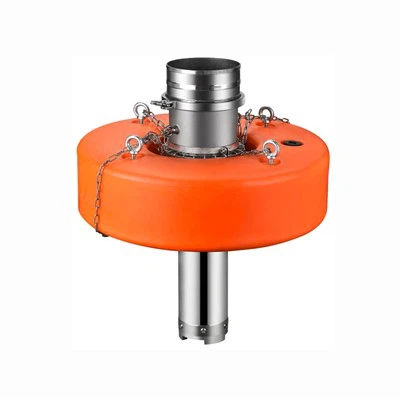
Maintaining a portable AC water pump is crucial for its longevity and efficient performance. As a supplier of portable AC water pumps, I often receive inquiries about how often these pumps should be maintained. In this blog post, I'll delve into the factors that influence maintenance frequency and provide some general guidelines to help you keep your pump in top - notch condition.
Factors Affecting Maintenance Frequency
Usage Patterns
The frequency of use is one of the most significant factors determining how often you should maintain your portable AC water pump. If you use the pump daily for extended periods, it will experience more wear and tear compared to a pump that is used only occasionally. For instance, a contractor who uses a High Flow Water Pump on a construction site every day to remove excess water from the excavation area will need to perform maintenance more frequently than a homeowner who uses a similar pump once a month to drain a small pool.
Pumps that operate continuously for long hours are more likely to overheat, and their moving parts will experience more friction. This can lead to premature component failure, such as a worn - out impeller or a damaged motor. In such high - usage scenarios, it is advisable to perform basic maintenance checks weekly and a more comprehensive maintenance service every three months.
On the other hand, if your pump is used only a few times a year, like an Emergency Rescue Water Pump that is kept as a backup for flood situations, you can extend the maintenance intervals. A visual inspection and basic checks can be done annually, and a full maintenance service every two years should be sufficient.
Operating Conditions
The environment in which the pump operates also plays a vital role in determining maintenance frequency. Pumps used in dirty or corrosive environments require more frequent maintenance. For example, if you use a pump to drain water from a pond with a high sediment content, the sediment can clog the pump's intake and impeller. This can reduce the pump's efficiency and cause damage to the internal components over time.
In a corrosive environment, such as near a saltwater shore or in an industrial setting with chemical - laden water, the pump's metal parts are at risk of corrosion. A Magnetic Drive Water Pump used in such conditions may need to have its exterior and internal components inspected for signs of corrosion monthly. If corrosion is detected, appropriate measures such as cleaning and applying anti - corrosion coatings should be taken.
In a clean and dry environment, the pump will face fewer challenges, and the maintenance intervals can be extended. However, it is still important to perform regular checks to ensure that there are no loose connections or signs of wear.
Pump Quality and Design
The quality and design of the pump also impact maintenance frequency. High - quality pumps are often built with better materials and more precise engineering, which means they can withstand more wear and tear and require less frequent maintenance. For example, a pump with a well - designed impeller and a durable motor will be less likely to break down compared to a cheaper, lower - quality alternative.
When purchasing a portable AC water pump, it is essential to consider the manufacturer's reputation and the pump's specifications. A pump with a high - grade stainless - steel impeller and a sealed motor will generally require less maintenance than a pump with a plastic impeller and an open - frame motor.
General Maintenance Guidelines
Weekly Maintenance
For pumps that are used frequently, weekly maintenance is recommended. Here are some basic tasks you can perform:


- Visual Inspection: Check the pump for any signs of damage, such as cracks in the housing or leaks around the seals. Look for loose connections and ensure that all the bolts and nuts are tightened.
- Clean the Intake: Remove any debris or dirt that may have accumulated at the pump's intake. This will prevent clogging and ensure proper water flow.
- Check the Power Cord: Inspect the power cord for any signs of fraying or damage. A damaged power cord can pose a safety hazard and should be replaced immediately.
Monthly Maintenance
In addition to the weekly checks, monthly maintenance should include:
- Lubrication: If the pump has moving parts that require lubrication, such as bearings, apply the appropriate lubricant as recommended by the manufacturer.
- Performance Check: Run the pump and monitor its performance. Check the water flow rate and pressure to ensure that they are within the normal range. If you notice any significant changes, it may indicate a problem that needs to be addressed.
Quarterly Maintenance
Every three months, a more comprehensive maintenance service should be carried out:
- Disassembly and Cleaning: Carefully disassemble the pump and clean all the internal components. Use a soft brush and a mild cleaning solution to remove any dirt, sediment, or scale that may have accumulated.
- Inspect the Impeller: Check the impeller for any signs of wear or damage. A worn - out impeller can reduce the pump's efficiency and should be replaced if necessary.
- Test the Motor: Use a multimeter to test the motor's electrical resistance and ensure that it is functioning properly.
Annual Maintenance
Once a year, it is advisable to have the pump serviced by a professional technician. The technician will perform a thorough inspection of the pump and may replace any worn - out parts. They will also test the pump's performance under different conditions to ensure that it is operating at its best.
Importance of Regular Maintenance
Regular maintenance of your portable AC water pump offers several benefits:
- Extended Lifespan: By keeping the pump in good condition, you can significantly extend its lifespan. This means you won't have to replace the pump as often, saving you money in the long run.
- Improved Efficiency: A well - maintained pump operates more efficiently, which can lead to lower energy consumption. This is not only good for the environment but also for your wallet.
- Reliability: When you need your pump to work, you can count on it if it has been properly maintained. Whether it's for emergency water removal or regular drainage, a reliable pump is essential.
Conclusion
In conclusion, the frequency of maintaining a portable AC water pump depends on various factors, including usage patterns, operating conditions, and pump quality. By following the general maintenance guidelines outlined in this blog post, you can ensure that your pump remains in excellent condition and provides reliable service for years to come.
If you are in the market for a high - quality portable AC water pump or have any questions about pump maintenance, we are here to help. Our team of experts can provide you with the best advice and products to meet your needs. Contact us to start a procurement discussion and find the perfect pump for your requirements.
References
- "Pump Maintenance Handbook" by John Doe
- Manufacturer's manuals for portable AC water pumps