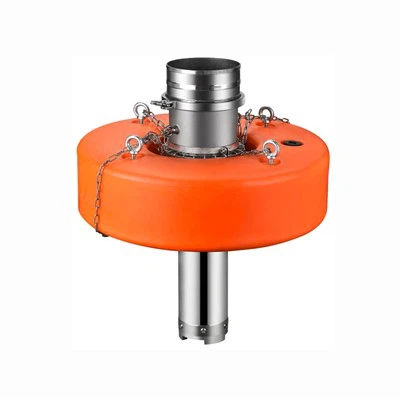
Maintaining the safety and functionality of commercial fire pumps is of utmost importance in any commercial building. As a trusted Commercial Fire Pump supplier, we understand the critical role these pumps play in fire protection systems. Conducting regular inspections using checklists is a proven method to ensure that fire pumps are in optimal working condition. In this blog, we will explore how to conduct inspections of a commercial fire pump using checklists.
Understanding the Importance of Fire Pump Inspections
Commercial fire pumps are essential components of a building's fire protection system. They are designed to provide the necessary water pressure and flow rate to extinguish fires effectively. Regular inspections help to identify potential issues early, prevent breakdowns, and ensure that the fire pump will operate as intended during an emergency.
According to industry standards and regulations, commercial fire pumps should be inspected regularly. These inspections not only comply with legal requirements but also contribute to the overall safety of the building and its occupants.
Pre - Inspection Preparations
Before starting the inspection, it is crucial to gather all the necessary information and tools. This includes obtaining the fire pump's installation manual, maintenance records, and the relevant inspection checklist. The installation manual provides detailed information about the pump's specifications, operating procedures, and maintenance requirements. Maintenance records can help identify any previous issues or repairs.
The inspection checklist is a comprehensive guide that outlines all the components and functions that need to be inspected. It ensures that no critical areas are overlooked during the inspection process.
Visual Inspection
The first step in the inspection process is a visual inspection. This involves examining the fire pump and its associated components for any signs of damage, wear, or leaks.
- Pump Housing: Check the pump housing for cracks, dents, or corrosion. Any damage to the housing can compromise the pump's structural integrity and lead to leaks or reduced performance.
- Piping and Fittings: Inspect all pipes and fittings for leaks, loose connections, or signs of rust. Leaking pipes can reduce water pressure and flow rate, which are crucial for effective fire suppression.
- Electrical Components: Examine the electrical wiring, switches, and control panels for any signs of damage, fraying, or overheating. Faulty electrical components can cause the pump to malfunction or even pose a fire hazard.
- Valves: Check all valves for proper operation. They should be fully open or closed as required and should not show any signs of leakage. Valves that are stuck or leaking can disrupt the water flow and affect the pump's performance.
Operational Checks
After the visual inspection, it is time to conduct operational checks. These checks ensure that the fire pump is functioning correctly under normal and emergency conditions.
- Priming System: Test the priming system to ensure that it can prime the pump effectively. A properly functioning priming system is essential for the pump to start and maintain the required water pressure.
- Starting and Stopping: Start the fire pump and observe its starting and stopping procedures. The pump should start smoothly and reach the designated operating speed within a reasonable time. It should also stop promptly when the control switch is turned off.
- Pressure and Flow Rate: Measure the water pressure and flow rate at the pump discharge and at various points in the fire protection system. These measurements should meet the design specifications of the system. If the pressure or flow rate is below the required levels, it could indicate a problem with the pump or the piping system.
- Alarm Systems: Test the fire pump's alarm systems to ensure that they are functioning correctly. These alarms are designed to alert the building occupants and the fire department in case of a pump failure or other critical issues.
Maintenance Record Review
As part of the inspection process, it is essential to review the maintenance records of the fire pump. This helps to determine if the pump has been properly maintained and if any maintenance tasks are overdue.
- Service History: Review the service history of the fire pump, including previous inspections, repairs, and maintenance activities. This can provide valuable insights into the pump's performance and any recurring issues.
- Maintenance Schedule: Check if the fire pump has been serviced according to the manufacturer's recommended maintenance schedule. Regular maintenance is essential for the long - term reliability and performance of the pump.
Using the Checklist
A well - designed checklist is the key to a thorough and efficient fire pump inspection. The checklist should be divided into different sections, such as visual inspection, operational checks, and maintenance record review.
- Checklist Structure: The checklist should be structured in a logical order, starting with the most accessible components and moving on to the more complex ones. Each item on the checklist should be clearly defined, with specific instructions on how to perform the inspection.
- Documentation: As you complete each item on the checklist, document your findings. This includes noting any issues or deficiencies, as well as the actions taken to address them. Proper documentation is essential for compliance and for tracking the pump's performance over time.
Special Considerations for Different Types of Fire Pumps
There are different types of commercial fire pumps, each with its own unique features and requirements.


- Fire Pontoon Pumps: These pumps are designed for use in water sources such as ponds or rivers. When inspecting fire pontoon pumps, special attention should be paid to the intake screen, which can become clogged with debris. Also, check the pontoon for any signs of damage or instability.
- Commercial Fire Pump: General commercial fire pumps used in buildings should be inspected for proper alignment, as misalignment can cause excessive wear on the pump bearings. Additionally, check the lubrication levels of the pump and the motor.
- Electric Fire Fighting Pump: Electric fire - fighting pumps require a detailed inspection of the electrical system. This includes checking the power supply, motor windings, and electrical controls for any signs of problems.
Post - Inspection Actions
After completing the inspection, it is important to take appropriate actions based on the findings.
- Repairs and Maintenance: If any issues or deficiencies are identified during the inspection, schedule the necessary repairs and maintenance as soon as possible. This may involve replacing damaged components, tightening loose connections, or performing other corrective actions.
- Reporting: Prepare a detailed inspection report that includes all the findings, actions taken, and recommendations for future maintenance. This report should be shared with the building management, fire department, and other relevant stakeholders.
Conclusion
Conducting inspections of commercial fire pumps using checklists is a systematic and effective way to ensure their proper functioning. As a Commercial Fire Pump supplier, we recommend that building owners and managers establish a regular inspection schedule and use comprehensive checklists to maintain the safety and reliability of their fire protection systems.
If you are in the market for high - quality commercial fire pumps or need assistance with fire pump inspections and maintenance, we are here to help. Contact us to discuss your specific needs and explore how our products and services can meet your requirements.
References
- National Fire Protection Association (NFPA). NFPA 20: Standard for the Installation of Stationary Pumps for Fire Protection.
- Manufacturer's installation and maintenance manuals for commercial fire pumps.