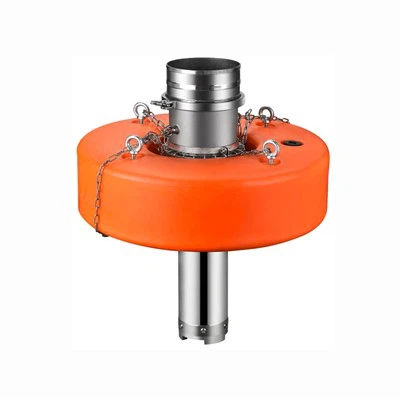
In the realm of fluid transfer, magnetic drive water pumps have emerged as a reliable and efficient solution for various applications. As a leading Magnetic Drive Water Pump supplier, we understand the importance of optimizing pump performance, especially when it comes to increasing the suction lift. In this blog post, we will delve into the factors affecting the suction lift of a magnetic drive water pump and explore practical strategies to enhance it.
Understanding Suction Lift in Magnetic Drive Water Pumps
Before we discuss how to increase the suction lift, it's essential to understand what suction lift is and how it relates to magnetic drive water pumps. Suction lift refers to the vertical distance between the water source and the pump's centerline when the water is being drawn up from a lower level. In other words, it measures the pump's ability to create a vacuum and lift water against gravity.
Magnetic drive water pumps operate on the principle of magnetic coupling, which eliminates the need for a traditional shaft seal. This design feature not only reduces the risk of leakage but also enhances the pump's efficiency and reliability. However, like all pumps, magnetic drive water pumps have limitations when it comes to suction lift.
Factors Affecting Suction Lift
Several factors can influence the suction lift of a magnetic drive water pump. Understanding these factors is crucial for identifying the root causes of low suction lift and implementing effective solutions. Here are some of the key factors to consider:
1. Atmospheric Pressure
Atmospheric pressure plays a significant role in determining the maximum suction lift of a pump. At sea level, the standard atmospheric pressure is approximately 14.7 psi (pounds per square inch), which corresponds to a theoretical maximum suction lift of about 33.9 feet (10.3 meters). However, as the altitude increases, the atmospheric pressure decreases, reducing the maximum suction lift. For example, at an altitude of 5,000 feet (1,524 meters), the atmospheric pressure is approximately 12.2 psi, resulting in a maximum suction lift of about 27.8 feet (8.5 meters).
2. Vapor Pressure of the Fluid
The vapor pressure of the fluid being pumped also affects the suction lift. Vapor pressure is the pressure at which a liquid changes to a vapor at a given temperature. If the pressure at the suction side of the pump drops below the vapor pressure of the fluid, the fluid will start to vaporize, forming bubbles. This phenomenon is known as cavitation, which can cause damage to the pump and reduce its performance. Therefore, it's important to ensure that the suction pressure remains above the vapor pressure of the fluid to prevent cavitation.
3. Friction Losses
Friction losses occur when the fluid flows through the suction piping, fittings, and valves. These losses can reduce the available suction pressure at the pump inlet, thereby limiting the suction lift. The magnitude of friction losses depends on several factors, including the pipe diameter, length, roughness, and flow rate. To minimize friction losses, it's recommended to use larger diameter pipes, smooth interior surfaces, and fewer fittings and valves.
4. Pump Design and Performance
The design and performance of the pump itself can also affect the suction lift. Factors such as the impeller design, pump speed, and efficiency can influence the pump's ability to create a vacuum and lift water. For example, a pump with a high - efficiency impeller design may be able to achieve a higher suction lift compared to a pump with a less efficient design.
Strategies to Increase Suction Lift
Now that we have a better understanding of the factors affecting suction lift, let's explore some practical strategies to increase the suction lift of a magnetic drive water pump.
1. Reduce Friction Losses
As mentioned earlier, friction losses can significantly reduce the available suction pressure at the pump inlet. To minimize friction losses, you can take the following steps:


- Use larger diameter pipes: Increasing the pipe diameter reduces the fluid velocity and friction losses. For example, if you are using a 1 - inch pipe, consider upgrading to a 1.5 - inch or 2 - inch pipe.
- Minimize the number of fittings and valves: Each fitting and valve in the suction piping adds to the friction losses. Try to use straight runs of pipe whenever possible and avoid unnecessary bends, elbows, and tees.
- Choose smooth interior pipes: Pipes with smooth interior surfaces have lower friction coefficients, resulting in reduced friction losses. Consider using PVC or stainless - steel pipes, which have smooth interior surfaces.
2. Elevate the Water Source
One of the simplest ways to increase the suction lift is to elevate the water source. By raising the water level relative to the pump, you can reduce the vertical distance that the pump needs to lift the water. This can be achieved by installing the water source at a higher elevation or using a booster pump to pre - pressurize the water before it reaches the magnetic drive water pump.
3. Optimize Pump Selection
Selecting the right pump for your application is crucial for achieving the desired suction lift. When choosing a magnetic drive water pump, consider the following factors:
- Pump capacity: Ensure that the pump has sufficient capacity to meet your flow rate requirements. A pump that is too small may not be able to generate enough suction pressure to lift the water.
- Suction lift rating: Check the pump's suction lift rating to ensure that it can meet your specific needs. Some pumps are designed for higher suction lifts than others.
- Efficiency: Choose a pump with high efficiency to minimize energy consumption and maximize performance.
4. Control the Fluid Temperature
As the temperature of the fluid increases, its vapor pressure also increases. To prevent cavitation and maintain a high suction lift, it's important to control the fluid temperature. You can do this by using a heat exchanger to cool the fluid or by selecting a pump that is designed to handle high - temperature fluids.
5. Prime the Pump Properly
Proper priming is essential for ensuring that the pump can create a vacuum and lift water. Before starting the pump, make sure that the suction piping and the pump casing are filled with water. This can be done by opening a priming valve or using a priming pump.
Applications of High Suction Lift Magnetic Drive Water Pumps
Magnetic drive water pumps with high suction lift capabilities are suitable for a wide range of applications, including:
- Industrial processes: In industrial settings, these pumps can be used for transferring chemicals, solvents, and other fluids from underground storage tanks or sumps.
- Agriculture: They are ideal for irrigation systems where water needs to be drawn from wells or rivers located at lower elevations.
- Marine applications: On boats and ships, high suction lift magnetic drive water pumps can be used for bilge pumping and ballast water transfer.
Conclusion
Increasing the suction lift of a magnetic drive water pump is a complex but achievable goal. By understanding the factors that affect suction lift and implementing the strategies outlined in this blog post, you can optimize the performance of your pump and ensure reliable operation. As a trusted Magnetic Drive Water Pump supplier, we are committed to providing high - quality pumps and expert advice to help you meet your specific needs. If you are looking for a High Flow Water Pump or a Portable AC Water Pump, we have a wide range of products to choose from.
If you have any questions or would like to discuss your pumping requirements, please feel free to contact us. Our team of experts is ready to assist you in selecting the right pump and optimizing its performance.
References
- "Pump Handbook" by Igor J. Karassik et al.
- "Fluid Mechanics" by Frank M. White
- Manufacturer's specifications and technical documentation for magnetic drive water pumps.