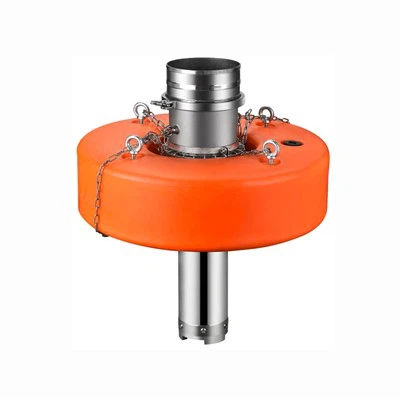
How to install a diesel engine pump? This is a question that many customers often ask us. As a trusted diesel engine pump supplier, we are committed to providing high-quality products and professional installation guidance. In this blog, I will share detailed steps and key points for installing a diesel engine pump, hoping to help you complete the installation smoothly.
1. Preparation Before Installation
Before installing the diesel engine pump, thorough preparation is essential. This not only ensures the smooth progress of the installation process but also helps to avoid potential problems.
Confirm the Installation Location
First, you need to choose a suitable installation location. The location should be flat and firm to support the weight of the diesel engine pump. In addition, it should have good ventilation conditions to ensure the normal heat dissipation of the diesel engine. Avoid installing in places prone to flooding, as water ingress can damage the engine and electrical components. At the same time, leave enough space around the pump for easy operation and maintenance.
Check the Equipment and Accessories
Carefully check all components of the diesel engine pump, including the pump body, diesel engine, coupling, pipes, and valves. Make sure there are no signs of damage or missing parts during transportation. Check the specifications of each part to ensure they match the installation requirements. For example, ensure the connection diameter of the pipes is consistent with the inlet and outlet diameters of the pump.
Prepare Installation Tools
Prepare essential installation tools, such as wrenches, screwdrivers, hoists, and measuring tools. These tools will help you complete various tasks during the installation process, such as tightening bolts, aligning components, and measuring distances.
2. Installation Steps
Install the Foundation
If your diesel engine pump requires a foundation, start by pouring a concrete foundation according to the manufacturer's requirements. Make sure the foundation is level and has sufficient strength to support the weight of the pump and the dynamic load during operation. After the concrete has cured, install the anchor bolts on the foundation. These bolts will be used to fix the diesel engine pump to the foundation.
Install the Diesel Engine Pump on the Foundation
Use a hoist to lift the diesel engine pump onto the foundation and align it with the anchor bolts. Then, gradually tighten the nuts on the anchor bolts to secure the pump in place. Make sure the pump is firmly attached to the foundation to prevent vibration and displacement during operation.
Connect the Pump and the Diesel Engine
The coupling is used to connect the pump shaft and the diesel engine shaft. First, clean the surfaces of the two shafts and apply grease to reduce friction. Then, install the coupling on the two shafts and use bolts to fasten it. Ensure the alignment of the two shafts during installation to avoid excessive vibration and wear. You can use a dial indicator to check the alignment accuracy.
Connect Inlet and Outlet Pipes
Connect the inlet and outlet pipes to the corresponding ports of the pump. When connecting the pipes, use appropriate gaskets to ensure a good seal and prevent leakage. Use wrenches to tighten the pipe joints, but avoid excessive tightening to prevent damage to the pipes or the pump. For the inlet pipe, ensure it is immersed in the liquid to be pumped to prevent air ingress, which can affect pumping efficiency.
Electrical Connection
If the diesel engine pump is equipped with electrical control devices, such as starters and sensors, connect the electrical wires according to the electrical wiring diagram. Make sure all connections are secure and insulated to prevent electrical shorts and safety accidents. It is recommended to have a professional electrician perform the electrical connection work.
Install Valves and Accessories
Install various valves and accessories, such as check valves, gate valves, and pressure gauges, on the pipes. These valves and accessories help control the flow and pressure of the pumped medium and monitor the operating status of the pump. Install the check valve on the outlet pipe to prevent the backflow of the pumped medium when the pump stops. The gate valve can be used to adjust the flow rate.
3. Testing After Installation
After completing the installation, a series of tests are necessary to ensure the normal operation of the diesel engine pump.
Check the Installation
Before starting the pump, carefully check all installation connections again to ensure they are tight and correct. Check the lubricating oil level of the diesel engine and the coolant level to ensure they are within the normal range.
No - Load Test
Start the diesel engine without connecting the load and let it run at a low speed for a few minutes. Observe the operation of the engine, including the sound, vibration, and exhaust. If any abnormal conditions are found, stop the engine immediately and check the cause.
Load Test
After the no - load test is normal, gradually increase the load of the pump. Monitor the flow, pressure, and temperature of the pump during operation. Compare the actual operating parameters with the design parameters to ensure they meet the requirements. If there are any deviations, adjust the pump or the system accordingly.
4. Maintenance and Precautions
Regular maintenance is crucial to ensure the long - term stable operation of the diesel engine pump.
Regular Inspection
Regularly inspect the diesel engine, pump, and pipes for any signs of damage, leakage, or wear. Check the tightness of the bolts and nuts and tighten them if necessary. Inspect the lubricating oil and coolant levels regularly and replace them according to the manufacturer's recommendations.
Cleaning
Keep the diesel engine pump and its surrounding environment clean. Remove dust, debris, and other impurities on the surface of the equipment to prevent them from entering the engine or the pump and causing damage.
Precautions
During operation, strictly follow the operating instructions and safety regulations. Do not overload the pump or the diesel engine. In case of abnormal conditions during operation, such as abnormal noise, excessive vibration, or overheating, stop the equipment immediately and take appropriate measures to troubleshoot.
Our Product Introduction
As a professional diesel engine pump supplier, we offer a wide range of high - quality diesel engine pumps. Our Heavy Duty Diesel Water Pump is designed for heavy - duty applications, featuring high efficiency, reliability, and durability. It can handle large - flow and high - pressure water pumping tasks, suitable for various industrial and agricultural applications.
If you need a more flexible pump for mobile applications, our Portable Diesel Engine Pump is an ideal choice. It is lightweight, easy to move, and can be quickly deployed in different locations.
Contact Us for Procurement and Negotiation
If you are interested in our diesel engine pumps or need more information about installation and maintenance, please contact us. Our professional sales team will provide you with detailed product information and reasonable quotations. We look forward to establishing long - term cooperation with you and providing you with high - quality products and services.


References
- Diesel Engine Pump Installation Manuals from Manufacturers
- Technical Documents on Pump Operation and Maintenance
- Industry Standards and Guidelines for Pump Installation and Use