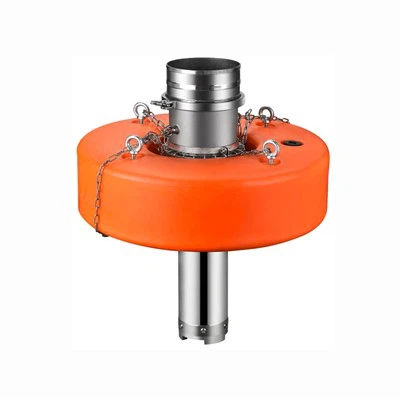
Hey there! As a supplier of Commercial Irrigation Pumps, I've seen my fair share of pump problems. Troubleshooting these pumps can be a real headache, but with the right know - how, you can get your irrigation system up and running smoothly again. In this blog, I'll walk you through the steps to troubleshoot a commercial irrigation pump.
Check the Power Supply
The first thing you need to do when your pump isn't working is to check the power supply. A lot of the time, the issue can be as simple as a tripped circuit breaker or a blown fuse. Head over to your electrical panel and take a look. If a breaker has tripped, flip it back to the "on" position. If you find a blown fuse, replace it with one of the same amperage.


Sometimes, the problem might be with the power cord. Inspect it for any signs of damage like cuts, frays, or exposed wires. If you spot any issues, you'll need to replace the power cord. And don't forget to make sure the pump is properly plugged in. Sounds obvious, but you'd be surprised how often this is overlooked.
Inspect the Pump for Blockages
Blockages are another common culprit when it comes to pump problems. Debris like leaves, dirt, and small rocks can get into the pump and cause it to malfunction. Start by checking the intake screen. This is usually located at the bottom of the pump or where the water enters. If it's clogged, remove the debris carefully. You can use a soft brush to clean it if needed.
Next, check the impeller. The impeller is a crucial part of the pump that helps move water. If it's blocked, the pump won't be able to function properly. To access the impeller, you'll need to follow the manufacturer's instructions for disassembling the pump. Once you can see the impeller, remove any debris that's stuck to it. Be gentle when doing this to avoid damaging the impeller.
Examine the Pressure and Flow
Low pressure or low flow can be a sign of several problems. First, check the pressure gauge on your pump. If the pressure is lower than normal, it could mean there's a leak in the system. Look for any visible signs of water leaking around the pump, pipes, or fittings. If you find a leak, you'll need to repair it. Small leaks can sometimes be fixed with pipe tape or a sealant, but larger leaks may require replacing the damaged part.
Another thing to consider is the flow rate. You can measure the flow rate using a flow meter if you have one. If the flow rate is too low, it could be due to a blockage (as we discussed earlier) or a problem with the pump's performance. For instance, if the pump is old or has been used a lot, the impeller might be worn out. A worn - out impeller won't be able to move water as efficiently, resulting in a lower flow rate.
Look into the Pump's Motor
The motor is the heart of the pump, and any issues with it can cause the whole system to fail. Listen for any strange noises coming from the motor. Grinding, rattling, or screeching sounds are all signs that something's wrong. If you hear these noises, it could mean the motor bearings are worn out or there's a problem with the motor's electrical components.
Check the motor's temperature. If it's overheating, it could be due to a lack of proper ventilation, a problem with the electrical supply, or a mechanical issue. Make sure the motor has enough space around it for air to circulate. If the motor is overheating, turn it off immediately and let it cool down before trying to troubleshoot further.
Consider the Type of Pump
Different types of commercial irrigation pumps can have unique problems. For example, a Variable Speed Irrigation Pump might have issues with its speed control mechanism. If the pump isn't adjusting its speed properly, it could be due to a faulty sensor or a problem with the control board. You'll need to consult the pump's manual or contact the manufacturer for specific troubleshooting steps.
A 3 Phase Irrigation Pump can have problems with its electrical connections. Check the wiring to make sure all the connections are tight and there are no loose wires. Also, make sure the voltage supplied to the pump is within the correct range. Incorrect voltage can damage the motor and cause the pump to malfunction.
A High Pressure Sprinkler Pump might have issues with maintaining high pressure. If the pressure drops suddenly, it could be due to a problem with the pressure switch or a leak in the high - pressure lines. Check the pressure switch to make sure it's working correctly and look for any leaks in the lines.
Check the Pump's Installation
Sometimes, the problem can be traced back to the installation of the pump. Make sure the pump is installed on a level surface. If it's not level, it can cause uneven stress on the pump's components, leading to premature wear and tear. Also, check the alignment of the pump with the motor. Misaligned pumps can cause vibrations and reduce the pump's efficiency.
The pipes connected to the pump should also be properly installed. They should be the right size and have no kinks or bends that could restrict the flow of water. Make sure all the pipes are securely fastened to the pump and other fittings.
When to Call a Professional
If you've gone through all these troubleshooting steps and still can't figure out what's wrong with your pump, it might be time to call a professional. A professional technician has the expertise and tools to diagnose and fix complex pump problems. They can also perform a more in - depth inspection of your pump and recommend any necessary repairs or replacements.
As a supplier of Commercial Irrigation Pumps, I understand how important it is to have a reliable irrigation system. If you're having trouble with your pump or are in the market for a new one, I'd love to help. Whether you need a Variable Speed Irrigation Pump, a 3 Phase Irrigation Pump, or a High Pressure Sprinkler Pump, we've got you covered. Reach out to us to discuss your needs and let's work together to find the best solution for your irrigation system.
References
- "Irrigation Pump Maintenance and Troubleshooting Guide" by Irrigation Association
- Manufacturer's manuals for various commercial irrigation pumps