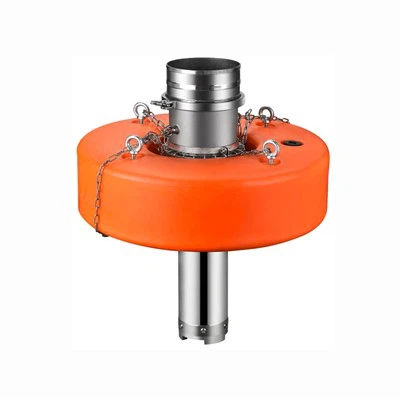
Hey there! As a supplier of Magnetic Drive Water Pumps, I've seen my fair share of issues with these pumps. Troubleshooting them can be a bit of a headache, but don't worry – I'm here to walk you through the process.
1. Check the Power Supply
First things first, you gotta make sure the pump is getting power. Sounds simple, right? But you'd be surprised how many times the problem is just a loose connection or a blown fuse.
Start by checking the power cord. Look for any visible damage like frayed wires. If you find any, it's time to replace the cord. Next, check the outlet. Plug in another device to see if the outlet is working. If it's not, you might have an electrical issue in your building that needs to be fixed.
Also, don't forget to check the circuit breaker or fuse box. If a breaker has tripped or a fuse has blown, reset the breaker or replace the fuse. Sometimes, this simple step can get your pump up and running again.
2. Inspect the Impeller
The impeller is a crucial part of the magnetic drive water pump. It's responsible for moving the water through the pump. If the impeller is damaged or clogged, the pump won't work properly.
To check the impeller, you'll need to remove the pump cover. This might require a few tools, so make sure you have a screwdriver or wrench handy. Once you've removed the cover, take a look at the impeller.
If there are any foreign objects like dirt, debris, or small stones stuck in the impeller, carefully remove them. You can use a pair of tweezers or a small brush to clean it out. If the impeller is damaged, like if a blade is broken, you'll need to replace it. You can find replacement impellers for our Magnetic Drive Water Pump on our website.
3. Examine the Magnetic Coupling
The magnetic coupling is what transfers power from the motor to the impeller in a magnetic drive water pump. If the magnetic coupling is not working correctly, the pump won't function.
One common issue with the magnetic coupling is overheating. Overheating can cause the magnets to lose their strength, which means the coupling won't work properly. To check for overheating, feel the pump while it's running. If it's too hot to touch, there's a problem.
Overheating can be caused by a few things. One is a lack of lubrication. Make sure the pump is properly lubricated according to the manufacturer's instructions. Another cause could be a misaligned motor. Check to see if the motor is sitting straight and is properly aligned with the pump. If it's misaligned, you'll need to adjust it.
4. Look for Leaks
Leaks are another common problem with magnetic drive water pumps. A leak can cause the pump to lose pressure and not work efficiently.
Start by visually inspecting the pump for any signs of water leakage. Look around the connections, seals, and gaskets. If you see any water dripping or pooling, you've found the source of the leak.
If the leak is coming from a connection, try tightening the fittings. Sometimes, a loose connection is all it takes. If the leak is coming from a seal or gasket, you'll need to replace it. You can order replacement seals and gaskets for our pumps from our website.
5. Check the Flow Rate
If the pump is running but not moving as much water as it should, the flow rate might be an issue. The flow rate is affected by a few factors, including the size of the pipes, the pressure in the system, and the condition of the pump.
First, check the pipes. Make sure they're not blocked or kinked. A blocked or kinked pipe can restrict the flow of water. If you find a blockage, try to clear it. You can use a plumber's snake or a high - pressure water jet to clear stubborn blockages.
Next, check the pressure in the system. If the pressure is too low, the pump won't be able to move the water effectively. You might need to adjust the pressure settings or check the pressure regulator if your system has one.


6. Consider the Environment
The environment where the pump is installed can also affect its performance. For example, if the pump is installed in a dirty or dusty area, it can get clogged more easily.
Make sure the pump is installed in a clean and dry area. If possible, install a filter to prevent dirt and debris from entering the pump. Also, make sure the pump has enough ventilation. If it's installed in a confined space, it can overheat more easily.
Other Types of Water Pumps
If you're still having trouble with your magnetic drive water pump or if you're looking for a different type of pump for a specific job, we also offer other types of pumps.
Our Portable Sewage Pump is great for handling sewage and wastewater. It's portable, so you can easily move it around to different locations. And our Emergency Rescue Water Pump is designed for emergency situations, like flooding. It can quickly remove large amounts of water to help with rescue efforts.
Conclusion
Troubleshooting a magnetic drive water pump can be a bit tricky, but by following these steps, you should be able to identify and fix most common problems. Remember, if you're still having trouble, don't hesitate to reach out to us. We're here to help you keep your pump running smoothly.
If you're in the market for a new magnetic drive water pump or any of our other water pumps, or if you need replacement parts, we'd love to hear from you. Whether you're a homeowner looking for a pump for your garden or a contractor in need of a heavy - duty pump for a construction site, we've got the right solution for you. Contact us to start a purchase negotiation and find the perfect pump for your needs.
References
- Manufacturer's Manual for Magnetic Drive Water Pumps
- Industry Standards for Water Pump Troubleshooting