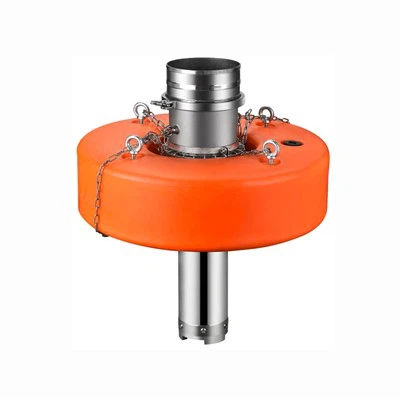
Hey there! As a supplier of Industrial Magnetic Pumps, I've seen firsthand how crucial these pumps are in water treatment plants. In this blog, I'll walk you through the installation requirements for industrial magnetic pumps in a water treatment plant.
Location and Space
First off, choosing the right location for your industrial magnetic pump is super important. You need to pick a spot that's well - ventilated. Magnetic pumps generate heat during operation, and proper ventilation helps dissipate this heat, preventing overheating and potential damage to the pump.
The area should also be dry. Water and moisture can cause corrosion to the pump's components, reducing its lifespan. Avoid areas where there's a high risk of water splashing or flooding.
In terms of space, make sure there's enough room around the pump for maintenance and inspection. You don't want to be cramped when you need to do routine checks or repairs. There should be at least a couple of feet of clearance on all sides of the pump. This space will also be handy if you need to replace any parts in the future.
Foundation and Mounting
A solid foundation is a must for industrial magnetic pumps. The pump should be mounted on a flat, rigid surface. If the surface is uneven, it can cause the pump to vibrate excessively during operation. Excessive vibration not only affects the pump's performance but also increases wear and tear on its components.
You can use concrete pads as a foundation. They provide a stable base and can absorb some of the vibrations. When mounting the pump, use the appropriate bolts and fasteners. Make sure they are tightened to the manufacturer's specifications. Loose bolts can lead to the pump shifting or coming loose during operation, which is a major safety hazard.
Piping System
The piping system connected to the industrial magnetic pump is another critical aspect. The pipes should be properly sized. If the pipes are too small, it can restrict the flow of water, causing the pump to work harder and potentially overheat. On the other hand, if the pipes are too large, it can lead to inefficient operation.
The pipes should also be installed in a way that minimizes bends and turns. Each bend in the pipe creates resistance, which reduces the pump's efficiency. Use long - radius elbows whenever possible to reduce this resistance.
It's important to ensure that the pipes are properly supported. Unsupported pipes can sag or move, which can put stress on the pump's connections. Use pipe hangers and brackets at regular intervals to keep the pipes in place.
Electrical Requirements
Industrial magnetic pumps are powered by electricity, so getting the electrical requirements right is essential. First, check the voltage and frequency requirements of the pump. Make sure the power supply matches these specifications. Using the wrong voltage can damage the pump's motor.
The electrical wiring should be installed by a qualified electrician. They will ensure that the wiring is properly sized and grounded. A proper ground connection is crucial for safety. It protects the pump and the operators from electrical shocks.
You may also need to install a suitable circuit breaker or fuse. This will protect the pump from electrical overloads. If there's a sudden surge in current, the circuit breaker will trip, cutting off the power and preventing damage to the pump.
Alignment
Proper alignment of the pump and the motor is vital. Misalignment can cause excessive vibration, noise, and premature wear of the pump's bearings and seals. You can use laser alignment tools to ensure that the pump and the motor are perfectly aligned.
During the installation process, check the alignment multiple times. Make any necessary adjustments before finalizing the installation. This will help ensure smooth and efficient operation of the industrial magnetic pump.
Testing and Commissioning
Once the pump is installed, it's time for testing and commissioning. Fill the pump and the piping system with water to prime the pump. This removes any air from the system, which is necessary for proper operation.
Start the pump and check for any leaks in the pipes, connections, or the pump itself. Listen for any unusual noises or vibrations. If you notice anything out of the ordinary, stop the pump immediately and investigate the issue.
Check the flow rate and pressure of the water. Make sure they are within the pump's rated specifications. You may need to make some adjustments to the pump's settings or the piping system to achieve the desired flow rate and pressure.


Maintenance Plan
After successful installation and commissioning, it's important to have a maintenance plan in place. Regular maintenance helps keep the industrial magnetic pump in good working condition. This includes tasks like checking the lubrication levels, inspecting the seals, and cleaning the pump's components.
You should also keep a record of all maintenance activities. This will help you track the pump's performance over time and identify any potential issues before they become major problems.
Conclusion
Installing an industrial magnetic pump in a water treatment plant requires careful planning and attention to detail. From choosing the right location to proper alignment and testing, every step is crucial for the pump's performance and longevity.
If you're in the market for an Industrial Magnetic Pump, we've got you covered. We also offer Mining Water Pump and Industrial Submersible Sump Pump for various industrial applications.
If you have any questions or are interested in purchasing our pumps, feel free to reach out. We're here to help you with all your industrial pump needs.
References
- Industrial Pump Handbook, various authors
- Manufacturer's installation and operation manuals for industrial magnetic pumps