Hey there! As a fire pump supplier, I've seen firsthand how crucial these devices are in keeping people and property safe during a fire. In this blog post, I'm gonna walk you through the key safety features of a fire pump and why they matter.
Pressure Regulation
One of the most important safety features of a fire pump is its ability to regulate pressure. When a fire breaks out, firefighters need a consistent and reliable water supply at the right pressure to effectively extinguish the flames. A fire pump with proper pressure regulation ensures that water is delivered at the optimal pressure, whether it's for a small residential fire or a large commercial blaze.
For example, if the pressure is too low, the water stream won't reach the fire effectively, allowing it to spread. On the other hand, if the pressure is too high, it can cause damage to the firefighting equipment or even pose a risk to the firefighters themselves. That's why modern fire pumps are equipped with pressure relief valves and pressure sensors to maintain a stable pressure within the recommended range.


Automatic Start and Stop
Another essential safety feature is the automatic start and stop function. In an emergency, every second counts, and a fire pump that can start automatically when needed can make a huge difference. Most fire pumps are connected to a fire alarm system or a pressure switch that triggers the pump to start as soon as a drop in pressure is detected or a fire is alarmed.
This automatic start feature ensures that water is immediately available to fight the fire, even if no one is present to manually start the pump. Additionally, once the fire is under control and the pressure returns to normal, the pump can automatically stop, conserving energy and reducing wear and tear on the equipment.
Backup Power Supply
In a fire situation, power outages are common, which can pose a significant challenge for firefighting efforts. That's why a reliable backup power supply is a must-have safety feature for fire pumps. Many fire pumps are equipped with diesel engines or generators that can kick in when the main power source fails.
This backup power ensures that the fire pump can continue to operate even during a power outage, providing a continuous water supply to fight the fire. It's important to regularly test and maintain the backup power system to ensure it's in good working condition when needed.
Overheat Protection
Fire pumps can generate a lot of heat during operation, especially if they're running for an extended period. Overheating can damage the pump and reduce its efficiency, or even lead to a complete failure. To prevent this, most fire pumps are equipped with overheat protection devices.
These devices monitor the temperature of the pump and automatically shut it down if the temperature exceeds a safe level. This not only protects the pump from damage but also ensures the safety of the firefighters and the surrounding environment. Once the pump has cooled down, it can be restarted safely.
Low Water Level Protection
Running a fire pump without an adequate water supply can cause serious damage to the pump and reduce its lifespan. To prevent this, fire pumps are often equipped with low water level protection sensors. These sensors monitor the water level in the source, such as a tank or a pond, and automatically shut down the pump if the water level drops below a certain point.
This feature ensures that the pump doesn't run dry, which can lead to cavitation and other issues. It also helps to conserve water by preventing the pump from operating when there's not enough water available.
Corrosion Resistance
Fire pumps are often exposed to harsh environments, including water, chemicals, and extreme temperatures. Over time, this exposure can cause corrosion, which can weaken the pump and reduce its performance. To combat this, many fire pumps are made from corrosion-resistant materials, such as stainless steel or coated with protective finishes.
These materials and finishes help to protect the pump from rust and other forms of corrosion, ensuring its long-term reliability and durability. Regular maintenance and inspection can also help to identify and address any signs of corrosion early on.
Remote Monitoring and Control
In today's digital age, remote monitoring and control have become increasingly important safety features for fire pumps. With remote monitoring, you can keep an eye on the pump's performance, status, and any potential issues from anywhere in the world. This allows you to quickly respond to any problems and take appropriate action before they escalate.
Remote control features also enable you to start, stop, and adjust the pump's settings remotely, which can be especially useful in situations where it's not safe or practical to be physically present at the pump. Many fire pump manufacturers offer remote monitoring and control systems that can be accessed via a smartphone app or a web-based interface.
Compliance with Standards and Regulations
Fire pumps are subject to strict standards and regulations to ensure their safety and effectiveness. When choosing a fire pump, it's important to make sure it meets all the relevant standards and requirements, such as those set by the National Fire Protection Association (NFPA) in the United States.
Compliance with these standards ensures that the fire pump has been tested and approved for use in fire protection systems, and that it meets the highest safety and performance standards. It also provides peace of mind knowing that you're using a reliable and safe fire pump.
Types of Fire Pumps and Their Safety Features
There are several types of fire pumps available on the market, each with its own unique safety features. Here are some common types:
Fire Pontoon Pumps
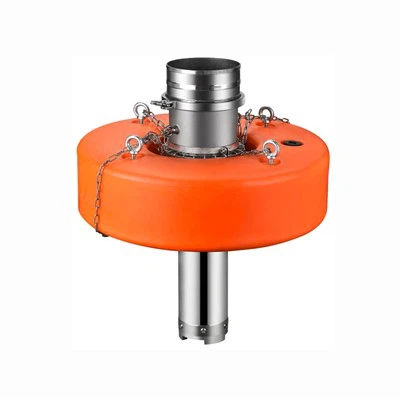
Fire Pontoon Pumps are designed to be used in bodies of water, such as lakes, rivers, or ponds. They're typically mounted on a pontoon or a floating platform and can be easily deployed to provide a water source for firefighting. These pumps often have corrosion-resistant materials and are designed to operate in harsh marine environments.
Commercial Fire Pump
Commercial Fire Pump are used in commercial buildings, such as offices, hospitals, and shopping malls. They're designed to meet the high demand for water in large buildings and are often equipped with advanced safety features, such as multiple pumps for redundancy and automatic pressure regulation.
Electric Fire Fighting Pump
Electric Fire Fighting Pump are powered by electricity and are commonly used in residential and small commercial applications. They're relatively quiet and easy to maintain, and many models are equipped with automatic start and stop features and overheat protection.
Conclusion
As you can see, fire pumps are complex and sophisticated devices that are essential for firefighting safety. The safety features I've discussed in this blog post are just some of the many features that make fire pumps reliable and effective in protecting lives and property.
If you're in the market for a fire pump, it's important to choose a reputable supplier who can provide you with high-quality pumps that meet your specific needs. At our company, we're committed to providing the best fire pump solutions with the latest safety features. We offer a wide range of fire pumps, including Fire Pontoon Pumps, Commercial Fire Pump, and Electric Fire Fighting Pump, and our team of experts can help you select the right pump for your application.
If you have any questions or would like to discuss your fire pump requirements, please don't hesitate to contact us. We're here to help you ensure the safety of your property and the people in it.
References
- National Fire Protection Association (NFPA) standards
- Manufacturer's product manuals and specifications