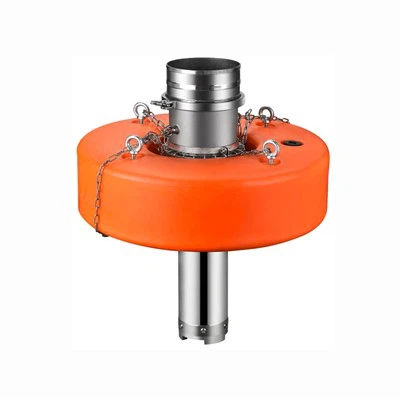
Hey there! As a supplier of Large Irrigation Pumps, I've seen firsthand how these powerful machines can transform large - scale irrigation projects. But with great power comes great responsibility, and safety is always a top priority. In this blog, I'll share some essential safety precautions when using large irrigation pumps.
Pre - operation Checks
Before you even think about firing up your large irrigation pump, there are a bunch of pre - operation checks you need to do. First off, take a good look at the pump itself. Check for any visible signs of damage, like cracks in the casing or leaks in the hoses. A small crack can turn into a big problem if you don't catch it early. You can find a wide range of reliable Large Irrigation Pumps on our website that are built to last, but even the best pumps need a regular once - over.
Next, make sure all the connections are tight. Loose connections can not only cause efficiency problems but also pose a safety risk. The last thing you want is for a hose to come loose while the pump is running and send water spraying everywhere. Check the electrical connections if it's an electric pump. Look for frayed wires or damaged plugs. Faulty electrical connections can lead to short circuits or even electric shocks, so it's super important to get this right.
Also, check the pump's intake. Make sure it's not clogged with debris. A clogged intake can reduce the pump's performance and put extra strain on the motor. You might need to clean the intake screen regularly, especially if you're using the pump in a pond or river with a lot of floating stuff.
Proper Installation
Proper installation of your large irrigation pump is crucial for safety. First, you need to choose the right location. The pump should be installed on a stable, level surface. A wobbly pump can cause vibrations that might damage the pump over time and also increase the risk of it tipping over.


If you're installing an electric pump, make sure it's grounded correctly. Grounding helps protect you from electric shocks in case of a short circuit. Follow the manufacturer's instructions carefully when it comes to grounding. And don't forget about ventilation. Electric pumps generate heat, and proper ventilation is needed to prevent overheating.
When it comes to the piping system, use the right size and type of pipes. Using pipes that are too small can increase the pressure inside the system and cause leaks or even pipe bursts. On the other hand, pipes that are too large can reduce the pump's efficiency. You can find more information about the right piping for our Commercial Irrigation Pump on our website.
Operating the Pump
Once the pump is installed and you've done all the pre - operation checks, it's time to start it up. But before you do, make sure you know how to operate the pump properly. Read the user manual thoroughly. Different pumps have different operating procedures, and following the manual is the best way to ensure safe operation.
When starting the pump, do it slowly. Don't just flip the switch and expect it to run at full speed right away. This can put unnecessary stress on the motor. Let the pump build up speed gradually. And keep an eye on the pressure gauge. If the pressure is too high or too low, it could indicate a problem. High pressure can cause pipe bursts, while low pressure might mean the pump isn't working efficiently.
If you're using a High Pressure Sprinkler Pump, be extra careful. High - pressure water can be dangerous. Make sure all the sprinkler heads are properly attached and in good condition. A loose or damaged sprinkler head can cause the water to spray in unexpected directions, which could hit people or damage nearby equipment.
Maintenance
Regular maintenance is key to keeping your large irrigation pump safe and in good working condition. Change the oil regularly if it's a pump with an oil - lubricated engine. Old oil can lose its lubricating properties and cause the engine to overheat or wear out faster.
Check the filters regularly. Clogged filters can reduce the pump's performance and put extra strain on the motor. Replace the filters as recommended by the manufacturer.
Inspect the impeller. The impeller is the part of the pump that moves the water. Over time, it can get worn or damaged. A damaged impeller can cause the pump to lose efficiency and might even cause the pump to vibrate excessively. If you notice any problems with the impeller, it's best to replace it as soon as possible.
Safety Equipment
Always wear the right safety equipment when working with large irrigation pumps. If you're doing any maintenance or repairs, wear safety goggles to protect your eyes from debris. Gloves are also a must, especially when handling the pump's components. They can protect your hands from cuts and burns.
If you're working around a running pump, ear protection is a good idea. Pumps can be quite noisy, and prolonged exposure to loud noise can damage your hearing.
Emergency Procedures
You should also have some emergency procedures in place. Know how to shut off the pump quickly in case of an emergency. There should be an easily accessible emergency stop button or switch. Teach all the people who might be operating the pump how to use this emergency shut - off.
In case of a fire, make sure there's a fire extinguisher nearby. Different types of fires (electrical, oil, etc.) require different types of extinguishers, so choose the right one. And have a plan for dealing with leaks or spills. If there's a chemical spill (for example, if you're using a pump to move fertilizers or pesticides), know how to contain it and clean it up safely.
Training
Proper training is essential for anyone who will be operating the large irrigation pump. Make sure they understand all the safety precautions we've talked about. They should know how to do the pre - operation checks, how to operate the pump correctly, and what to do in case of an emergency.
We offer detailed guides and support on our website to help you get the most out of your pump safely. But sometimes, hands - on training is even better. If you have any questions or need more in - depth training, feel free to reach out to us.
Conclusion
Using large irrigation pumps can be a great way to keep your fields or gardens well - watered, but it's important to do it safely. By following these safety precautions, you can reduce the risk of accidents and ensure that your pump lasts for a long time.
If you're in the market for a new large irrigation pump or need to replace an old one, check out our Large Irrigation Pumps on our website. We have a wide range of pumps to suit different needs and budgets. And if you have any questions about safety or installation, don't hesitate to contact us. We're here to help you make the right choice and use your pump safely and efficiently. Let's work together to make your irrigation projects a success!
References
- Manufacturer's manuals for large irrigation pumps
- Industry safety standards for pump operation and maintenance