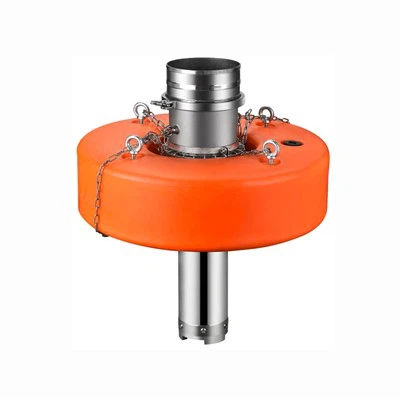
As a supplier of High Flow Submersible Pumps, I often encounter customers who are confused about the differences between high flow submersible pumps and regular submersible pumps. In this blog post, I'll delve into the key distinctions to help you make an informed decision when choosing the right pump for your needs.
Flow Rate
The most obvious difference between a high flow submersible pump and a regular submersible pump lies in their flow rates. A high flow submersible pump, as the name suggests, is designed to move a large volume of water in a short period. These pumps are capable of delivering a significantly higher flow rate compared to regular submersible pumps. For instance, a regular submersible pump might have a flow rate of around 10 - 50 gallons per minute (GPM), while a high flow submersible pump can easily reach flow rates of 100 GPM or more.
This high flow rate makes high flow submersible pumps ideal for applications where large - scale water transfer is required. For example, in agricultural irrigation, where vast fields need to be watered quickly, a high flow submersible pump can ensure that water is distributed efficiently across the entire area. In industrial settings, such as mining operations or large - scale construction sites, high flow pumps are used to remove large amounts of water from pits or excavation areas. You can explore our range of High Flow Submersible Pump to find a suitable option for your high - volume water transfer needs.
Head Pressure
Head pressure refers to the height to which a pump can lift water. Regular submersible pumps are generally designed for applications with relatively low head pressures. They are well - suited for tasks like draining small basements or transferring water over short vertical distances.
On the other hand, high flow submersible pumps can often handle higher head pressures, although this depends on the specific model. Some high flow pumps are engineered to lift water to greater heights while still maintaining a high flow rate. This makes them versatile for applications where water needs to be pumped up to multi - story buildings or over long distances with elevation changes. However, it's important to note that as the head pressure increases, the flow rate of a pump may decrease. So, when selecting a high flow submersible pump, you need to consider both the required flow rate and the head pressure for your application.
Power and Energy Consumption
High flow submersible pumps typically require more power to operate compared to regular submersible pumps. This is because they need to generate enough force to move a large volume of water at a high speed. The increased power consumption means that these pumps may have a higher operating cost over time.
However, modern high flow submersible pumps are designed with energy - efficient technologies to mitigate this issue. For example, some pumps use advanced motor designs and variable speed drives to adjust the power consumption based on the actual demand. This not only reduces energy waste but also extends the lifespan of the pump. When choosing a high flow submersible pump, it's essential to look for models with good energy efficiency ratings to keep your operating costs in check.
Size and Construction
High flow submersible pumps are usually larger and more robustly constructed than regular submersible pumps. The larger size is necessary to accommodate the larger impellers and motors required to achieve high flow rates. The construction materials are also often of higher quality to withstand the increased stress and wear associated with high - volume water pumping.
Regular submersible pumps, on the other hand, are generally more compact and lightweight. They are easier to install and move around, making them a popular choice for small - scale applications. If you need a pump that is easy to transport and install in tight spaces, a Lightweight Portable Water Pump might be a better option.
Application Suitability
The differences in flow rate, head pressure, power consumption, and size make high flow submersible pumps and regular submersible pumps suitable for different applications.
Regular submersible pumps are commonly used in residential settings. They are perfect for draining small flooded areas, such as a basement after heavy rain, or for circulating water in small ponds or fountains. They are also used in some light - commercial applications, like small car washes or domestic water supply systems.
High flow submersible pumps, as mentioned earlier, are mainly used in large - scale agricultural, industrial, and municipal applications. They are essential for flood control, large - scale water supply projects, and industrial processes that require a continuous and high - volume water flow.
Cost
In general, high flow submersible pumps are more expensive than regular submersible pumps. This is due to their larger size, higher power requirements, and more advanced technology. The initial purchase cost of a high flow submersible pump can be significantly higher, and as mentioned before, the operating cost may also be greater.
However, when considering the cost, you need to take into account the long - term benefits. A high flow submersible pump can save you time and labor costs in large - scale applications by completing the water transfer task more quickly. It can also improve the efficiency of your operations, which may lead to increased productivity and profitability in the long run.
Maintenance
Both high flow submersible pumps and regular submersible pumps require regular maintenance to ensure their proper functioning and longevity. However, high flow submersible pumps may require more frequent and in - depth maintenance due to their higher workload.
The large impellers and motors in high flow pumps are more prone to wear and tear, and the seals and bearings need to be inspected and replaced regularly. Regular submersible pumps, with their simpler design and lower workload, generally require less maintenance.
It's important to follow the manufacturer's maintenance guidelines for both types of pumps. This includes regular cleaning, lubrication, and inspection of the electrical components.
In conclusion, the choice between a high flow submersible pump and a regular submersible pump depends on your specific needs. If you have a large - scale water transfer project that requires a high flow rate and can tolerate higher costs, a high flow submersible pump is the way to go. On the other hand, if you have a small - scale application with low water volume requirements, a regular submersible pump will be sufficient.


If you're still unsure about which pump is right for you, or if you have any questions about our products, feel free to contact us. Our team of experts is ready to assist you in selecting the most suitable pump for your application and guide you through the purchasing process.
References
- Pump Handbook, 4th Edition, by Igor J. Karassik et al.
- ASME Standards on Pumps and Pumping Systems