Hey there! As a supplier of Electric Fire Fighting Pumps, I've seen firsthand how water quality can have a huge impact on these essential pieces of equipment. In this blog, I'm gonna break down what water quality means for an electric fire fighting pump and why it's super important to pay attention to it.
Let's start with the basics. Water quality refers to the physical, chemical, and biological characteristics of water. When it comes to electric fire fighting pumps, the quality of the water they're pumping can affect their performance, efficiency, and lifespan.
Physical Characteristics of Water
The physical characteristics of water, such as its temperature, turbidity, and viscosity, can all have an impact on an electric fire fighting pump.
Temperature
Water temperature plays a crucial role. If the water is too hot, it can cause the pump's seals and gaskets to expand, leading to leaks. On the other hand, extremely cold water can make the water more viscous, which means the pump has to work harder to move it. This increased workload can lead to overheating and premature wear and tear on the pump's components.
Turbidity
Turbidity refers to the amount of suspended particles in the water. High turbidity can be a real problem for electric fire fighting pumps. The particles can clog the pump's intake strainer, impellers, and other internal components. This not only reduces the pump's flow rate but can also cause damage to the impellers, which are responsible for creating the pressure needed to move the water.
Viscosity
Viscosity is a measure of a fluid's resistance to flow. Water with high viscosity is thicker and harder to pump. This can put extra stress on the pump motor, leading to increased energy consumption and potential motor failure. For example, water with a high concentration of dissolved solids or organic matter may have a higher viscosity.
Chemical Characteristics of Water
The chemical composition of water can also have a significant impact on an electric fire fighting pump.
pH Level
The pH level of water indicates its acidity or alkalinity. Water with a low pH (acidic) can corrode the pump's metal components, such as the impellers, casings, and pipes. Corrosion can weaken these parts, leading to leaks and reduced performance. Conversely, water with a high pH (alkaline) can cause scale buildup on the pump's internal surfaces. Scale can restrict the flow of water and reduce the pump's efficiency.
Dissolved Minerals
Dissolved minerals, such as calcium, magnesium, and iron, can cause problems for electric fire fighting pumps. Calcium and magnesium can form scale deposits, as mentioned earlier. Iron can cause rusting and corrosion, especially in pumps with iron or steel components. Additionally, some dissolved minerals can react with other chemicals in the water to form insoluble compounds that can clog the pump.
Chemical Contaminants
Chemical contaminants, such as pesticides, fertilizers, and industrial pollutants, can also affect the performance of an electric fire fighting pump. These contaminants can damage the pump's seals, gaskets, and other rubber or plastic components. They can also cause corrosion and fouling of the pump's internal parts.
Biological Characteristics of Water
Biological organisms in water, such as bacteria, algae, and fungi, can pose a threat to electric fire fighting pumps.
Bacterial Growth
Bacteria can form biofilms on the pump's internal surfaces. Biofilms can reduce the flow of water and increase the risk of corrosion. Some bacteria can also produce acids or other corrosive substances that can damage the pump's components.
Algae and Fungi
Algae and fungi can grow in the water and clog the pump's intake strainer and other components. They can also produce organic matter that can contribute to the formation of scale and biofilms.


How to Mitigate the Effects of Poor Water Quality
As a supplier of Electric Fire Fighting Pumps, I understand the importance of taking steps to mitigate the effects of poor water quality. Here are some strategies that can help:
Water Treatment
One of the most effective ways to improve water quality is through water treatment. This can include filtration, sedimentation, and chemical treatment. Filtration can remove suspended particles, while sedimentation can allow heavier particles to settle to the bottom. Chemical treatment can be used to adjust the pH level, remove dissolved minerals, and kill biological organisms.
Regular Maintenance
Regular maintenance is essential for ensuring the proper functioning of an electric fire fighting pump. This includes inspecting and cleaning the pump's intake strainer, impellers, and other components on a regular basis. It also involves checking for signs of corrosion, scale buildup, and other damage.
Use of Corrosion-Resistant Materials
When selecting an electric fire fighting pump, it's important to choose one that is made from corrosion-resistant materials. For example, pumps with stainless steel impellers and casings are more resistant to corrosion than those made from iron or steel.
The Importance of Water Quality for Different Types of Fire Pumps
Different types of fire pumps may be more or less affected by water quality. For example, Commercial Fire Pump systems are often used in large buildings and industrial facilities. These pumps need to be able to handle large volumes of water quickly and efficiently. Poor water quality can have a significant impact on their performance, which can be a serious safety concern in the event of a fire.
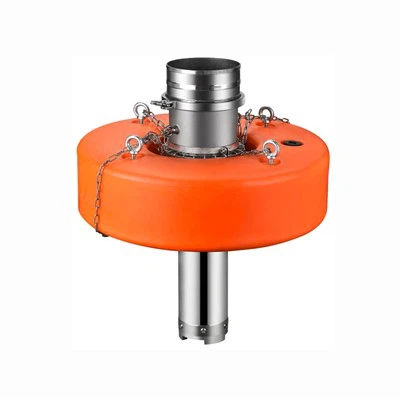
Fire Pontoon Pumps are designed to draw water from open bodies of water, such as lakes and rivers. These pumps are particularly vulnerable to the effects of high turbidity and biological contaminants. Ensuring the proper water intake and filtration is crucial for their reliable operation.
Conclusion
In conclusion, water quality has a profound effect on the performance, efficiency, and lifespan of an electric fire fighting pump. As a supplier, I always recommend that my customers pay close attention to the water quality in their fire protection systems. By taking steps to improve water quality and performing regular maintenance, you can ensure that your electric fire fighting pump will be ready to perform when it's needed most.
If you're in the market for an electric fire fighting pump or have any questions about water quality and its impact on these pumps, don't hesitate to reach out. I'm here to help you make the right choice and keep your fire protection system in top-notch condition.
References
- "Fire Pump Handbook" by the National Fire Protection Association
- "Water Quality and Its Impact on Industrial Equipment" by the American Water Works Association