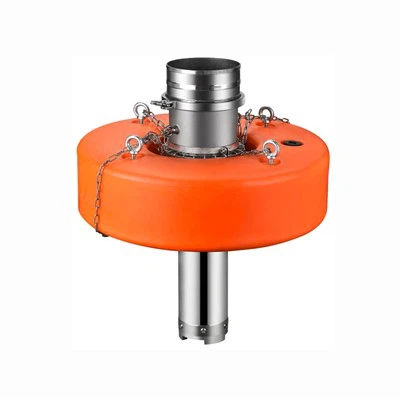
As a supplier of Energy Saving Drainage Pumps, I'm often asked about the working principle of these innovative devices. In this blog, I'll delve into the details of how energy-saving drainage pumps operate, exploring the key components and mechanisms that make them efficient and reliable solutions for various drainage needs.
Basic Components of an Energy Saving Drainage Pump
Before we dive into the working principle, let's first familiarize ourselves with the main components of an energy-saving drainage pump. These pumps typically consist of the following parts:
-
Motor: The motor is the heart of the pump, providing the power needed to drive the impeller. Energy-saving drainage pumps often use high-efficiency motors, such as permanent magnet motors, which offer better performance and lower energy consumption compared to traditional motors. Permanent Magnet Drainage Pump
-
Impeller: The impeller is a rotating component with blades that is responsible for creating the flow of water. As the impeller spins, it draws water into the pump and then forces it out through the discharge outlet. The design of the impeller plays a crucial role in the pump's efficiency and performance.
-
Volute Casing: The volute casing is a spiral-shaped chamber that surrounds the impeller. It serves to collect the water discharged by the impeller and convert the kinetic energy of the water into pressure energy. The shape of the volute casing is carefully designed to minimize energy losses and ensure smooth flow of water.


-
Suction Pipe and Discharge Pipe: The suction pipe is used to draw water into the pump, while the discharge pipe is used to deliver the water to the desired location. These pipes are typically made of materials such as PVC, steel, or cast iron, depending on the application and the properties of the water being pumped.
-
Control System: Many energy-saving drainage pumps are equipped with a control system that allows for automatic operation and monitoring. The control system can adjust the pump's speed and flow rate based on the water level, pressure, or other parameters, ensuring optimal performance and energy efficiency.
Working Principle of an Energy Saving Drainage Pump
The working principle of an energy-saving drainage pump can be divided into the following steps:
-
Suction Phase: When the pump is started, the motor drives the impeller to rotate at high speed. As the impeller spins, it creates a low-pressure area at the center of the impeller, causing water to be drawn into the pump through the suction pipe. The impeller blades then capture the water and accelerate it radially outward.
-
Discharge Phase: As the water is accelerated by the impeller, it gains kinetic energy. The water then enters the volute casing, where its kinetic energy is gradually converted into pressure energy. The shape of the volute casing causes the water to flow in a spiral path, increasing its pressure as it moves towards the discharge outlet.
-
Delivery Phase: Once the water reaches the discharge outlet, it is forced out of the pump through the discharge pipe. The pressure generated by the pump is sufficient to overcome the resistance of the pipes and deliver the water to the desired location.
-
Control and Regulation: To ensure energy efficiency and optimal performance, energy-saving drainage pumps are often equipped with a control system. The control system can monitor the water level, pressure, or other parameters and adjust the pump's speed and flow rate accordingly. For example, if the water level is low, the control system can reduce the pump's speed to save energy.
Energy Saving Features of an Energy Saving Drainage Pump
There are several features that contribute to the energy-saving performance of an energy-saving drainage pump:
-
High-Efficiency Motor: As mentioned earlier, energy-saving drainage pumps often use high-efficiency motors, such as permanent magnet motors. These motors have a higher power factor and lower losses compared to traditional motors, resulting in reduced energy consumption.
-
Variable Speed Drive: Many energy-saving drainage pumps are equipped with a variable speed drive (VSD). A VSD allows the pump's speed to be adjusted based on the actual demand, rather than running the pump at a constant speed. By reducing the pump's speed when the demand is low, energy consumption can be significantly reduced.
-
Optimized Impeller Design: The design of the impeller plays a crucial role in the pump's efficiency. Energy-saving drainage pumps often feature impellers with optimized blade shapes and profiles, which can improve the pump's hydraulic efficiency and reduce energy losses.
-
Automatic Control System: An automatic control system can monitor the water level, pressure, or other parameters and adjust the pump's operation accordingly. This ensures that the pump only operates when necessary and at the optimal speed, resulting in energy savings.
Applications of Energy Saving Drainage Pumps
Energy-saving drainage pumps are widely used in various applications, including:
-
Residential and Commercial Buildings: Energy-saving drainage pumps are commonly used in basements, cellars, and other areas where water needs to be drained. They can prevent flooding and water damage by quickly removing excess water.
-
Industrial Facilities: In industrial settings, energy-saving drainage pumps are used for a variety of purposes, such as wastewater treatment, cooling water circulation, and process water transfer. They can help to improve the efficiency and reliability of industrial processes.
-
Agricultural Irrigation: Agricultural Irrigation Drainage Pump Energy-saving drainage pumps are also used in agricultural irrigation systems to supply water to fields and crops. They can help to conserve water and reduce energy consumption in agricultural operations.
-
Municipal and Environmental Projects: Energy-saving drainage pumps are used in municipal and environmental projects, such as stormwater management, sewage treatment, and flood control. They can play a crucial role in protecting the environment and public health.
Conclusion
In conclusion, energy-saving drainage pumps are efficient and reliable devices that use advanced technology to reduce energy consumption and improve performance. By understanding the working principle and energy-saving features of these pumps, you can make an informed decision when choosing a drainage pump for your specific application.
If you're interested in learning more about our Energy Saving Drainage Pump or would like to discuss your drainage needs, please don't hesitate to contact us. We're here to provide you with the best solutions and support for your drainage requirements.
References
- Pump Handbook, Third Edition, by Igor J. Karassik, Joseph P. Messina, Paul Cooper, and Charles C. Heald.
- Hydraulic Machinery: Centrifugal and Axial Pumps, Turbines, and Compressors, by S. L. Dixon.
- Energy Efficiency in Pumping Systems, by the U.S. Department of Energy.