If you’ve ever needed to move water from one storage tank to another, you know the frustration of waiting hours for a slow pump to finish the job. As the owner of a company that specializes in high-flow water solutions, I get this question all the time: Can a high flow water pump actually be used for inter-tank water transfer? The short answer is yes—but only when you match the pump’s specifications to your specific setup, avoid common pitfalls, and understand how to leverage the right technology. Today, I’m breaking down exactly how to do this right, based on decades of working with water transfer systems for farms, industrial facilities, and residential properties.
Let’s start with the basics: What is a high flow water pump, and why is it different from a standard pump? Unlike low-flow models that move a few gallons per minute (GPM), high flow pumps are designed to push 50 GPM or more, and some of our specialized models exceed 200 GPM. That’s the difference between moving a 500-gallon tank in 10 minutes vs. 2 hours. But speed isn’t the only selling point—high flow pumps also handle longer suction and discharge lines better, which is critical when tanks are positioned far apart (like a farm’s rainwater collection tank and an irrigation holding tank in a field).
But here’s the catch: A high flow pump isn’t a one-size-fits-all tool for inter-tank transfer. I’ve seen customers grab any high flow pump off our showroom shelf, connect it between two tanks 100 feet apart, and wonder why it’s barely moving water. The problem almost always boils down to two factors: static head (the vertical distance between the two tanks) and friction loss (the resistance from water moving through pipes). Let’s break those down.
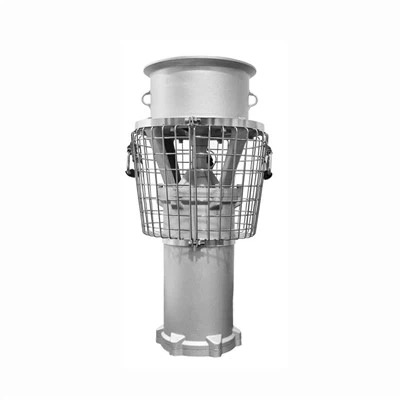
Static head is the vertical elevation difference between the source tank and the destination tank. If your source tank is at ground level and the destination is on a hill, that’s 20 feet of static head. A standard low-flow pump might handle that, but a high flow pump needs enough horsepower to push against that weight of water. That’s why our High Flow Water Pump line includes models with 1.5 HP to 5 HP options, so you can match horsepower to your static head. For example, if you’re transferring water between two tanks with a 15-foot elevation gap and a 50-foot pipe run, our 2 HP high flow pump will move 70 GPM without struggling. But if the gap jumps to 30 feet, you’ll want to step up to a 3 HP model to maintain that flow rate.
Friction loss is another big one. Every foot of pipe, every elbow, and every valve adds resistance. With high flow rates, that resistance grows exponentially—double the GPM, and friction loss can triple. So if you’re using 1-inch PVC pipe, a high flow pump pushing 100 GPM might only deliver 60 GPM at the destination, because the pipe is too narrow to handle the volume. That’s why when designing a transfer system, we always recommend sizing your pipe to match your pump’s flow rate. For 70 GPM, you need at least 1.5-inch pipe; for 150 GPM, 2-inch pipe. Skimping on pipe size is the #1 mistake I see with high flow inter-tank transfers, and it negates all the speed benefits of the pump.
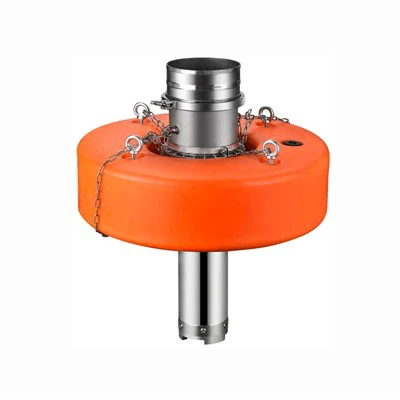
Now, let’s talk about when a high flow water pump is the right choice vs. when a different pump makes more sense. For small, residential setups (like transferring 500 gallons between two tanks 20 feet apart), a standard pump might work, but a high flow pump will cut your job time from 20 minutes to 5. For larger setups—farm irrigation, industrial process water, or emergency water transfer during droughts—high flow is non-negotiable. But there are exceptions. If your water has debris (like leaves, sediment, or small solids), you’ll need a pump that can handle that without clogging. Our Portable Sewage Pump has a 2-inch solids handling impeller, which is perfect for transferring water from a rain barrel with debris, or a lagoon storage tank with sediment. But for clear water transfers, our permanent magnet pumps are a game-changer.
Wait, permanent magnet pumps? Let’s circle back to that. Our Permanent Magnet Water Pump is a type of high flow pump that uses a magnetically coupled impeller, which means no mechanical seal to wear out. That makes it ideal for continuous inter-tank transfer, because it runs cooler and requires less maintenance than a standard high flow pump. For customers who run a transfer system 8 hours a day, 5 days a week, the longevity of a permanent magnet pump saves you thousands in repairs over time. We’ve had a dairy farm client use one of our permanent magnet pumps to transfer well water from a storage tank to their milking parlor for 3 years straight with zero seal leaks or downtime.
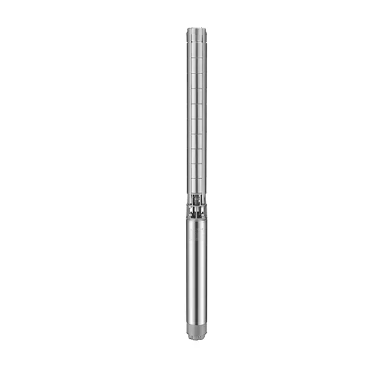
I should also address a common misconception: some people think deep well pumps are the only way to move water long distances, but that’s not true. Deep well pumps like our 4SP14 Deep Well Submersible Pump or 4SP8 Deep Well Jet Pump are designed to pull water from great depths (200 feet or more), but their flow rates are lower than our surface-mounted high flow pumps. If your tanks are within 20 feet of each other, a surface high flow pump will deliver faster transfer than a deep well pump, which is built for depth, not horizontal volume. That’s a key point for customers who might confuse pump type with application.
Let’s walk through a real-world example to make this concrete. Last month, a customer came to us with a problem: he had a 1,000-gallon rainwater tank at the edge of his property, and he needed to transfer it to a 1,000-gallon irrigation tank in his vegetable garden, 80 feet away, with no elevation difference (both tanks at ground level). He’d tried a standard 10 GPM pump and it took him over an hour to move half the water. We recommended our 2 HP high flow pump, paired with 1.5-inch pipe. The result? The entire 1,000 gallons moved in 14 minutes. That’s the power of matching a high flow pump to your specific setup. He even told us he was able to water his 1-acre garden before noon, instead of waiting until afternoon.

Another example: a municipal client needed to transfer 10,000 gallons of fire suppression water between two tanks at a wastewater treatment facility, with a 25-foot elevation difference and 200 feet of pipe. We recommended a 5 HP high flow pump, with 2-inch pipe, and a check valve to prevent backflow. The pump moved 180 GPM, finishing the job in under 56 minutes, well within the time they needed for emergency preparedness. Without that high flow pump, the job would have taken nearly 5 hours, which is a critical difference when every minute counts for fire safety.
Now, what about maintenance? A high flow pump for inter-tank transfer is a workhorse, but it needs regular care to keep running. First, prime the pump before every use—if it runs dry, you’ll burn out the impeller. Second, clean the strainer on the suction side regularly, especially if your water has sediment or debris. Third, inspect the pipes for leaks or clogs after every use, since high flow can make small leaks (like a loose pipe fitting) worse. Our permanent magnet pumps are easier here too, since they don’t have a mechanical seal that needs oil changes or replacement, so maintenance is just strainer cleaning and pipe checks.
When should you not use a high flow pump for inter-tank transfer? If you’re working with very small tanks (less than 200 gallons), the speed of a high flow pump might cause sloshing and overflow, so a smaller pump works better. If your water has large solids (like branches or rocks), you’ll need a sewage pump instead of a standard high flow pump, because the impeller on a high flow pump is too small to handle that. And if your static head is over 50 feet, a deep well pump (like our 4SP14) is a better choice, because it’s designed to pull water from depth, whereas a high flow surface pump will lose too much suction at that height.
So, to circle back to the original question: Yes, a high flow water pump can absolutely be used for inter-tank water transfer—when you choose the right model, size your pipes correctly, and account for static head and friction loss. It’s the most efficient way to move large volumes of water quickly, which is why it’s the go-to for farms, factories, and municipalities around the country.
If you’re not sure which high flow pump is right for your setup, don’t guess. Our team has helped hundreds of customers design custom transfer systems, and we can walk you through calculating your static head, pipe size, and required GPM to find the perfect fit. Whether you need a portable unit for a one-time job or a permanent installation for daily transfers, we’ve got options ranging from compact permanent magnet pumps to heavy-duty 5 HP high flow pumps, plus specialized models like our portable sewage pump for debris-laden water.
Ready to discuss your inter-tank water transfer needs? Reach out to our team to coordinate a consultation and find the right pump for your application.
References
- Water Pump Technology Association. (2022). “High Flow Pump Applications in Municipal and Agricultural Water Transfer.” WPTA Industry Report.
- Permanent Magnet Pump Institute. (2021). “Maintenance and Efficiency of Magnetic Coupled Pumps for Continuous Water Transfer.” PMPI Technical Journal.
- Plumbing Pipe and Fitting Association. (2023). “Friction Loss Calculations for Water Transfer Systems of Varying Flow Rates.” PPFA Design Manual, 12th Edition.
- Deep Well Pump Manufacturers Association. (2022). “Surface vs. Submersible Pump Selection for Inter-Tank Transfer Applications.” DWMPA Application Guide.