If you’re running a facility that relies on consistent, reliable water circulation—whether it’s a commercial office building, a manufacturing plant, or a residential complex with a central HVAC system—you’ve probably asked: “What’s the maximum pressure an AC water pump can handle?” It’s not a trivial question. Push a pump beyond its pressure limit, and you’re looking at everything from reduced efficiency and shortened lifespan to sudden breakdowns that can shut down your entire system. As a supplier of AC water pumps, I field this question weekly, usually from maintenance managers or building engineers who’ve dealt with the aftermath of an overpressurized pump. Let’s break down what determines this maximum pressure, how to calculate it, and what you need to know to keep your system running smoothly.
First, it’s important to define what we mean by “AC water pump pressure.” Unlike pressure washers or other specialized pumps, AC water pumps for HVAC systems handle two key types of pressure: discharge pressure (the pressure the pump generates to push water through the system) and static pressure (the pressure from the height of the water column the pump is lifting). The maximum pressure a pump can safely handle is the upper limit of discharge pressure it’s designed to produce without straining its components—impellers, seals, motor, and pump casing. This isn’t a one-size-fits-all number; it varies widely based on the pump’s design, size, and intended use.
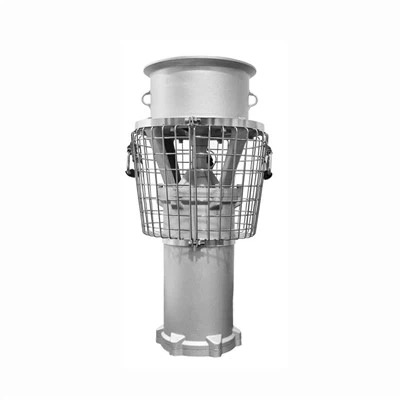
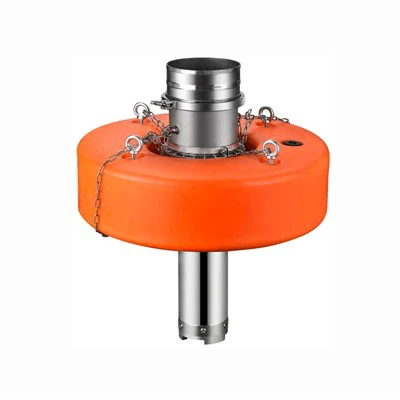
Take, for example, a portable AC water pump. If you’re dealing with a temporary cooling setup, like a job site tent or a pop-up event, a portable unit is ideal because it’s easy to move and install. The Portable AC Water Pump we supply, for instance, is designed for applications that don’t require heavy-duty, high-pressure output. Its maximum pressure tops out at around 40 PSI, which is more than enough for small to medium AC systems, drainage, or temporary water transfer. That number isn’t random. Portable pumps prioritize compactness and portability over extreme pressure, so their components are engineered to handle lower pressure ranges to keep them lightweight and cost-effective.


Compare that to a deep well pump, which has to push water hundreds of feet vertically. A 4-inch submersible deep well pump, like our 4SP14 Deep Well Submersible Pump, is built to handle much higher pressure. These pumps are submerged in well water, so their maximum pressure is determined by the depth they’re rated for—our 4SP14, for example, can handle up to 150 PSI, which translates to lifting water over 300 feet. That’s critical for rural properties or buildings that rely on groundwater for HVAC or potable water. The difference here is in the impeller design and motor power: deep well pumps have multiple impellers stacked in series, each adding a small amount of pressure, to reach the high discharge needed for deep water.
Another example: emergency rescue water pumps. These units are designed for crisis situations—like flooding after a storm, where you need to move water quickly over long distances. Our Emergency Rescue Water Pump has a maximum pressure of around 60 PSI, balancing the need for high flow rate (critical for pumping out floodwater) with enough pressure to push water through long hoses or up slight elevations. The casing on these pumps is made of heavy-duty cast iron to withstand the stress of rapid, high-volume flow and pressure spikes common in emergency use.
So, what’s the science behind determining a pump’s maximum pressure? There are two key factors: the pump’s pump head and its pressure rating. Pump head is the vertical distance the pump can lift water, measured in feet. Since 1 PSI equals approximately 2.31 feet of water, you can convert head to pressure by dividing head by 2.31. For example, a pump with a 20-foot head can handle around 8.7 PSI, while a pump with a 300-foot head (like our 4SP14) can handle ~129.9 PSI—close to its rated 150 PSI, which accounts for friction loss in pipes and fittings. The other factor is the pump’s pressure rating, which is tested by the manufacturer to ensure components won’t fail under pressure. This includes the pump casing’s burst pressure (the pressure at which it would rupture) and the motor’s ability to handle the load of high pressure without overheating.
Friction loss is a big one many people overlook. Even if a pump is rated for 100 PSI, if your pipes are narrow or have many bends, the actual pressure at the pump’s discharge could be much higher than you calculate. That’s where matching the pump to your system comes in. A common mistake we see customers make is buying a pump with too high a pressure rating, which wastes energy and can cause leaks in pipes, valves, or AC coils. For standard HVAC systems, most portable or horizontal AC water pumps handle between 30 and 50 PSI, which is perfect for moving water through typical ductwork and coils. Our Portable Sewage Pump, designed for wastewater applications, has a maximum pressure of 45 PSI, which is ideal for residential sewage ejector systems or small commercial drainage, avoiding the higher pressure that could damage sewage lines.
What happens if you exceed a pump’s maximum pressure? Let’s walk through the risks. First, component failure: the pump seal could leak, leading to water damage and motor burnout. The impeller could crack, which would require a full pump replacement. For AC systems, overpressure can cause coils to burst, leading to refrigerant leaks and costly repairs. There’s also energy inefficiency: a pump running at higher pressure than needed uses more electricity, driving up operational costs. One of our clients recently learned this the hard way—they installed a deep well pump rated for 150 PSI in a small office building, only to find their AC system’s pipes were rated for a maximum of 60 PSI. The excess pressure caused several leaks in the ceiling, costing them more than the price of a properly sized pump.
Now, how do you find the right maximum pressure for your application? Start by calculating your system’s required pressure. First, measure the static pressure: if you’re lifting water, measure the vertical height from the pump’s location to the highest point in your system. Then add friction loss, which depends on pipe size, length, and number of fittings. A general rule of thumb is to add 10-20% extra pressure to account for unexpected factors like clogged filters or future system expansions. For most residential and small commercial AC systems, this comes out to 40-50 PSI, making our Portable AC Water Pump or similar horizontal pumps the right fit. For larger buildings or deep wells, you’ll need a higher-pressure pump like our 4SJ-DN40 Deep Well Water Pump, which has a maximum pressure of around 120 PSI, perfect for mid-sized commercial systems.
It’s also worth noting that AC water pump pressure can be adjusted with a pressure relief valve, but only up to the pump’s maximum rated pressure. Never try to run a pump beyond its designed pressure, even with a valve—this undermines the safety features built into the pump and voids most warranties. When selecting a pump, always check the manufacturer’s specifications, like the ones we provide for every product on our site, which list maximum pressure, head, and flow rate.
As a supplier, our goal isn’t just to sell pumps—it’s to help our customers find the right pump for their needs, so they don’t have to deal with the headaches of overpressure or underperformance. If you’re unsure what maximum pressure your AC water pump needs, or if you’re in the market for a new pump, we can walk you through the calculation, help you compare models like the Emergency Rescue Water Pump for temporary needs or the 4SP14 Deep Well Submersible Pump for deep well applications, and make sure you get a unit that’s safe, efficient, and long-lasting. Don’t wait for a pump failure to figure this out—reach out to discuss your requirements today.
References
- Hydraulic Institute. (2020). Pump Intake and Discharge Pressure Guidelines for HVAC Systems. Parsippany, NJ: Hydraulic Institute.
- ASHRAE. (2021). HVAC Pump Selection and Pressure Rating Standards. Atlanta, GA: American Society of Heating, Refrigerating and Air-Conditioning Engineers.
- Grundfos Technical Support. (2022). Maximum Pressure Ratings for Centrifugal and Submersible Pumps. Bjerringbro, Denmark: Grundfos Holding A/S.
- Water Quality Association. (2021). Deep Well Pump Pressure and Head Calculations. Lisle, IL: Water Quality Association.