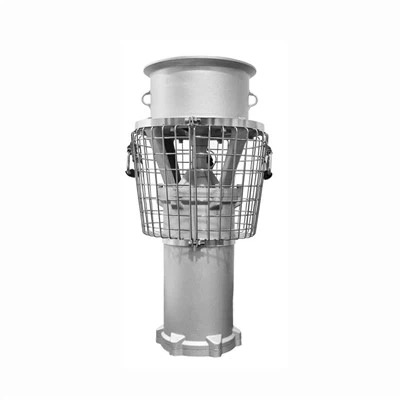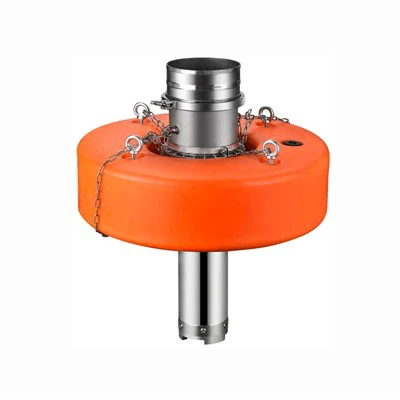
Let’s cut to the chase—when a commercial fire pump’s motor fails, it’s not just a “minor hiccup” that you can sweep under the rug. This is the gear that keeps your building’s sprinklers, standpipes, and fire hydrants working when every second counts. As someone who’s spent the last 12 years selling and supporting Commercial Fire Pump systems, I’ve seen way too many property managers, maintenance techs, and even small fire marshals panic when the motor cuts out mid-test. Some try to wing it, skip critical steps, and end up with a pump that won’t kick on when there’s an actual fire. Today, I’m breaking down exactly what to do when this nightmare happens—no jargon, no BS, just the stuff that’s actually saved our clients from headaches (and way bigger costs) over the years.
First, let’s get one thing straight: “dealing with” a motor failure isn’t the same as “fixing” it right away. Your first move is to confirm the failure is real, not a fluke. I can’t tell you how many times I’ve gotten a 2 a.m. call from a tech saying, “The motor’s dead!” only to find out they tripped the breaker, left the pump’s disconnect switch in the off position, or even accidentally cut a wire while doing last week’s maintenance. So step one: do a quick, smart check before you start disassembling anything. Grab a multimeter (or even your phone’s multimeter app—yes, they work for basic checks) and test the power supply. If you’re getting no voltage to the motor, that’s a problem with your building’s electrical panel, not the pump itself. If you’re getting power to the motor but it won’t turn over, or it’s making a high-pitched squeal and vibrating like crazy, that’s the real motor failure we’re talking about.
Once you’ve confirmed it’s not a power issue, the next move is to lock out/tag out (LOTO) the system. This isn’t just OSHA nonsense—it’s how we keep you (and your crew) from getting electrocuted while working on the pump. I always say: if you don’t have a good LOTO lock and tag, stop right now. Find the main disconnect for the fire pump, flip it to off, slap your name on the lock, and keep the only key. No exceptions. I once had a client forget this step, and his apprentice flipped the switch back on while he was trying to tighten a loose wire—totally messed up his shoulder and set the pump’s motor back way more than the original failure did. Don’t be that guy.


Now, let’s talk about identifying the type of motor failure you’re dealing with, because the fix depends on what’s broken. From my time with Electric Fire Fighting Pump installations, I’ve seen three main types of motor failures crop up in commercial settings: electrical faults, mechanical failures, and thermal overloads. Let’s walk through each.
First, electrical faults. These are the most common, usually from worn wiring, bad contactors, or a faulty capacitor. If you test the motor’s windings with that multimeter I mentioned earlier, and they’re reading way below or above the manufacturer’s spec (most motors have a range of 0.5 to 2 ohms per phase), that’s a winding issue. If the contactor that switches the motor on is pitted, burned, or doesn’t pull in when you manually activate it, that’s a contactor problem. I once had a 5-story office building’s fire pump motor die because a stray mouse chewed through the contactor’s wiring—we fixed it in 90 minutes, but if they’d waited for a fire to test it, that would’ve been a disaster. Pro tip: if your pump’s in a utility room that’s not air-conditioned or sealed, run a simple pest control check every 6 months. Mice hate peppermint oil—leave a few cotton balls soaked in it near the pump, works way better than poison and doesn’t leave dead rodent smells behind.
Second, mechanical failures. These usually involve the motor’s bearings or the shaft that connects it to the pump impeller. If you hear a grinding, rattling, or squealing noise when the motor’s supposed to be running, that’s almost always bad bearings. Over time, the grease in the bearings breaks down (especially if the pump runs only a few times a year, like most commercial systems do) and they seize up. I had a school district client where the bearings in their fire pump motor seized because they’d skipped their quarterly test for 18 months—total replacement cost was $3,200, plus they had to pay a fire marshal to reinspect the system, another $800. Don’t skip those quarterly tests, by the way—they’re not just for show. If the shaft between the motor and pump is bent, that’ll cause the motor to overheat and fail too. You can check this by removing the motor cover and spinning the shaft by hand—if it wobbles more than 1/8 inch, it’s bent. No DIY fix for a bent shaft—you need to replace it or replace the motor.
Third, thermal overloads. This is the motor’s “panic button” kicking in to save itself from burning up. Thermal overloads usually happen when the motor is running too hard (like if the pump is clogged with debris), or it’s running on undervoltage (your building’s electrical system can’t supply enough power to the motor). A lot of people see the overload trip and just hit the reset button—don’t do that. If you reset it without figuring out why it tripped, you’ll burn out the motor for good. I once had a retail store manager who reset the overload three times in a row because he “didn’t have time to fix it,” and by the fourth try, the motor was completely fried. When thermal overload trips, wait 15 minutes for the motor to cool down, then check the pump for clogs (turn it off, disconnect the motor, and pull the impeller cover—if there’s leaves, dirt, or trash in there, clean it) and test the power voltage again. If voltage is low, call your electrician—don’t mess with the fire pump’s power supply yourself.
Okay, so you’ve identified the failure. Now what? Do you fix it yourself, call a technician, or replace the motor? Here’s my rule of thumb, based on hundreds of client calls: if you’re a licensed electrician or a certified fire pump tech, you can handle minor electrical fixes (like replacing a contactor or wiring) as long as you follow LOTO. If you’re not certified, don’t touch the motor’s internal wiring—you can mess up the ground or phase and create a huge safety hazard. For mechanical issues like bad bearings, if you have a friend who’s a mechanic and the pump is accessible, you might swap the bearings, but only if you’ve done it before. If not, call a pro—bad bearings can mess up the impeller and ruin the whole pump, not just the motor.
But wait—what if the motor is too far gone? Replacing it is sometimes cheaper than fixing it, especially for older motors. When you’re choosing a replacement, don’t just grab any motor that fits. Make sure it matches your pump’s horsepower, voltage, phase, and frame size. And a quick heads-up: some old motors are no longer in production, so you might have to upgrade, not just replace. That’s where the Fire Pontoon Pumps line isn’t helpful, but our Commercial Fire Pump team can hook you up with compatible replacement motors, no weird hoops to jump through.
Now, let’s talk about preventing future motor failures, because I’d rather you never have to go through this again. The biggest mistake I see is people only testing their fire pump once a year for the required fire marshal inspection. Fire pumps should run for 15 minutes every month at 50% of their rated flow, and once a quarter at 100% flow. Those test runs keep the motor’s bearings lubricated, prevent rust, and catch small issues before they turn into full motor failures. I also recommend adding a motor monitoring system to your Electric Fire Fighting Pump—it’ll send you a text or email if the motor’s voltage is off, or if it’s overheating, weeks before it fails. It’s $200 a pop, but way cheaper than a $5,000 motor replacement and a fine for not having a working fire pump.
Wait, one last thing: when you do have a motor failure, document everything. The fire marshal will ask for records of the repair, and your insurance company will too. Jot down the date, what the failure was, what you did to fix it, and who worked on it. If you buy a new motor, keep the receipt and the specs—nothing sucks more than needing a replacement 5 years later and not remembering what you bought.
Let’s be real—fire pump motor failures are stressful, but they don’t have to be a disaster. The key is to stay calm, do the quick checks first, follow safety rules, and know when to call for help. I’ve seen too many people make this way harder than it needs to be, or wait until there’s an actual fire to fix the motor. Don’t do that. If you’re dealing with a motor failure right now, or you need a replacement motor for your commercial fire pump, hit up our team—we’ll hook you up with a compatible part, and if you need a tech to come out, we can get one to you within 48 hours for most areas. No runaround, no hidden fees, just honest help.
References
- National Fire Protection Association. (2022). Standard for the Installation of Stationary Pumps for Fire Protection (NFPA 20). Quincy, MA: NFPA.
- Occupational Safety and Health Administration. (2021). Lockout/Tagout (LOTO) Standard (29 CFR 1910.147). Washington, D.C.: OSHA.
- Underwriters Laboratories. (2020). Standard for Stationary Fire Pumps and Fire Pump Assemblies (UL 448). Northbrook, IL: UL.
- Fire Protection Research Foundation. (2019). Maintenance and Testing of Fire Pumps: Best Practices. Quincy, MA: NFPA.