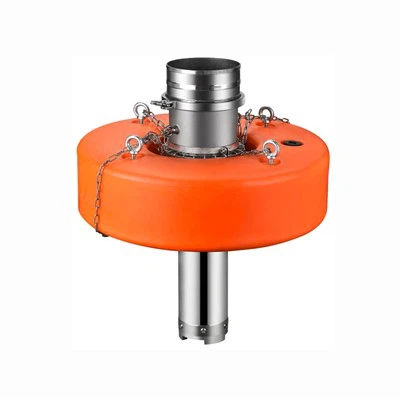
Hey there! As a supplier of Commercial Fire Pumps, I've had my fair share of experiences dealing with all sorts of questions about these crucial pieces of equipment. One question that pops up quite often is about the flow control options for commercial fire pumps. So, I thought I'd sit down and share what I know on this topic.
First off, let's understand why flow control is such a big deal for commercial fire pumps. In a fire - fighting scenario, you need to be able to adjust the amount of water or firefighting agent being pumped. Too little, and you won't be able to put out the fire effectively. Too much, and you could cause unnecessary water damage to the property. So, having proper flow control options is essential.
Throttle Valves
One of the most common flow control options is the throttle valve. It's a pretty straightforward mechanism. A throttle valve works by restricting the flow of fluid through the pump outlet. You can think of it like turning a faucet. When you turn the handle on a faucet, you're essentially adjusting the size of the opening through which water can flow. The same principle applies here.
By closing the throttle valve partially, you reduce the cross - sectional area of the outlet. This causes the fluid to flow more slowly, thus reducing the flow rate. On the other hand, opening the valve fully allows for maximum flow. Throttle valves are relatively inexpensive and easy to install. They're a great option for basic flow control needs. If you're looking for a simple and cost - effective way to manage the flow of your Commercial Fire Pump, a throttle valve might be the way to go.
Variable Frequency Drives (VFDs)
Now, let's talk about Variable Frequency Drives, or VFDs for short. These are a bit more high - tech compared to throttle valves. A VFD works by changing the frequency of the electrical power supplied to the pump motor. The speed of an electric motor is directly related to the frequency of the power it receives. So, by adjusting the frequency, you can control the speed of the pump.
When the pump runs at a lower speed, it pumps less fluid, and the flow rate decreases. Conversely, increasing the speed of the pump increases the flow rate. VFDs offer several advantages. They're very precise in controlling the flow rate. You can set them to maintain a specific flow rate, which is great for applications where a constant flow is required. They also help in saving energy. Since the pump only runs at the speed necessary to achieve the desired flow, it doesn't waste energy by running at full speed all the time. However, VFDs are more expensive than throttle valves and require more technical expertise to install and maintain.
Bypass Valves
Bypass valves are another option for flow control. These valves work by diverting a portion of the fluid being pumped back to the suction side of the pump. This reduces the amount of fluid that is actually delivered to the discharge point, thus controlling the flow rate.


Bypass valves are useful in situations where you need to maintain a certain pressure in the system while adjusting the flow. For example, if the demand for water at the discharge point suddenly decreases, the bypass valve can open up and divert some of the water back to the suction side. This prevents the pressure in the system from getting too high. Bypass valves are relatively simple in design and can be a good option for systems where you need to balance flow and pressure.
Pressure - Compensated Flow Control Valves
Pressure - compensated flow control valves are a bit more advanced. These valves are designed to maintain a constant flow rate regardless of changes in pressure. They work by sensing the pressure difference across the valve and adjusting the valve opening accordingly.
Let's say the pressure in the system increases. A pressure - compensated flow control valve will automatically reduce its opening to keep the flow rate constant. Similarly, if the pressure decreases, the valve will open up more to maintain the same flow. These valves are great for applications where the pressure in the system can vary widely, such as in large commercial buildings or industrial facilities.
Choosing the Right Flow Control Option
So, how do you choose the right flow control option for your commercial fire pump? Well, it depends on several factors.
- Budget: If you're on a tight budget, a throttle valve might be the best choice. They're cheap and easy to install. But if you can afford to invest in a more advanced system, VFDs or pressure - compensated flow control valves could be worth considering.
- Precision Requirements: If you need very precise control over the flow rate, VFDs or pressure - compensated flow control valves are the way to go. Throttle valves and bypass valves are more suitable for less precise applications.
- System Complexity: For simple systems, throttle valves or bypass valves might be sufficient. But for more complex systems with varying pressures and flow requirements, VFDs or pressure - compensated flow control valves are better options.
As a supplier of Commercial Fire Pumps, I've seen firsthand how different flow control options can impact the performance of a fire pump system. We also offer Fire Pontoon Pumps and Electric Fire Fighting Pump with various flow control options.
If you're in the market for a commercial fire pump and are unsure about which flow control option is right for you, don't hesitate to reach out. We have a team of experts who can help you evaluate your needs and choose the best solution. Whether you're a building manager, a contractor, or an industrial facility owner, we're here to assist you in finding the perfect fire pump and flow control system for your requirements.
Contact us today to start the conversation about your commercial fire pump needs. Let's work together to ensure your property is well - protected in case of a fire.
References
- NFPA 20: Standard for the Installation of Stationary Pumps for Fire Protection
- Manufacturers' manuals for commercial fire pumps and flow control devices.