As a seasoned fire pump supplier deeply entrenched in the industry, I've witnessed firsthand the pivotal role that material selection plays in the performance, durability, and overall effectiveness of fire pumps. In this blog post, I aim to shed light on the crucial aspects of fire pump material selection, exploring the various factors that influence this decision and the impact it has on the functionality of these life - saving devices.


Understanding the Importance of Material Selection
Fire pumps are designed to operate under extreme conditions, often during critical emergencies when reliability is non - negotiable. The materials used in their construction must withstand high pressures, corrosive environments, and continuous use. Selecting the right materials ensures that the fire pump can deliver the required water flow and pressure consistently, protecting lives and property from the devastating effects of fires.
Key Factors Influencing Material Selection
1. Corrosion Resistance
One of the primary considerations in fire pump material selection is corrosion resistance. Fire pumps are frequently exposed to water, which can be corrosive, especially if it contains chemicals or minerals. Materials such as stainless steel, bronze, and certain types of plastics are commonly used due to their excellent corrosion - resistant properties.
Stainless steel is a popular choice for many fire pump components, including impellers, casings, and shafts. It offers high strength and durability while being resistant to rust and corrosion. Bronze is another well - known material for its corrosion resistance, particularly in marine and humid environments. It is often used for pump components that come into direct contact with water, such as valves and fittings.
Plastic materials, such as high - density polyethylene (HDPE) and polyvinyl chloride (PVC), are also used in some fire pump applications. They are lightweight, cost - effective, and resistant to corrosion. However, their use is typically limited to less critical components or in applications where the pressure and temperature requirements are not extremely high.
2. Strength and Durability
Fire pumps operate under high pressures, so the materials used must have sufficient strength to withstand these forces without deformation or failure. Cast iron is a traditional material for fire pump casings because of its high strength and ability to handle high pressures. It is also relatively inexpensive, making it a cost - effective option for large - scale applications.
However, modern fire pumps are increasingly using more advanced materials like stainless steel and forged steel for components that require high strength. These materials offer better mechanical properties, such as higher tensile strength and better fatigue resistance, ensuring that the pump can operate reliably over a long service life.
3. Compatibility with Fluids
In addition to water, fire pumps may be required to handle other fluids, such as foam concentrates or firefighting agents. The materials used in the pump must be compatible with these fluids to prevent chemical reactions that could damage the pump or reduce its effectiveness. For example, some chemicals used in firefighting foams can be corrosive to certain metals, so special materials or coatings may be required to ensure compatibility.
4. Temperature Resistance
Fire pumps may be exposed to high temperatures during a fire, either from the heat of the fire itself or from the friction generated during operation. Materials must be able to maintain their mechanical properties at elevated temperatures. For example, certain grades of stainless steel can withstand high temperatures without significant loss of strength, making them suitable for use in fire pump components that may be exposed to heat.
Common Materials Used in Fire Pumps
1. Stainless Steel
As mentioned earlier, stainless steel is a versatile material used in many fire pump applications. It comes in different grades, each with its own set of properties. For example, 304 stainless steel is a common grade used for general - purpose applications due to its good corrosion resistance and relatively low cost. 316 stainless steel, on the other hand, contains molybdenum, which enhances its corrosion resistance in more aggressive environments, such as those with high chloride content.
2. Bronze
Bronze is an alloy of copper and tin, with other elements sometimes added to improve its properties. It has excellent corrosion resistance, good machinability, and is relatively soft, which makes it suitable for applications where tight tolerances are required. Bronze is commonly used for pump impellers, wear rings, and valve seats.
3. Cast Iron
Cast iron has been used in fire pump construction for many years. It is known for its high strength, good castability, and low cost. However, it is more prone to corrosion compared to stainless steel and bronze. To improve its corrosion resistance, cast iron components are often coated with a protective layer, such as epoxy or zinc.
4. Forged Steel
Forged steel is used for components that require high strength and reliability, such as pump shafts and connecting rods. Forging involves shaping the metal under high pressure, which results in a more uniform grain structure and better mechanical properties compared to cast or machined components.
Material Selection for Different Types of Fire Pumps
1. Fire Pontoon Pumps
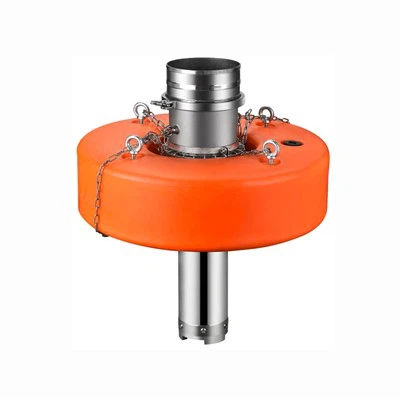
Fire Pontoon Pumps are designed to be used in water sources such as lakes, rivers, or ponds. Since they are constantly in contact with water, corrosion resistance is a critical factor. Stainless steel and bronze are commonly used for the pump components that come into contact with water, while cast iron or steel may be used for the structural parts of the pontoon.
2. Commercial Fire Pumps
Commercial Fire Pumps are used in various commercial buildings, such as offices, shopping malls, and hotels. These pumps need to be reliable and durable to meet the fire protection requirements of the building. Stainless steel and cast iron are popular choices for the pump casings, while bronze and stainless steel are used for the internal components.
3. Electric Fire Fighting Pumps
Electric Fire Fighting Pumps are powered by electricity and are often used in smaller - scale applications or in areas where a reliable power source is available. The materials used in these pumps are similar to those used in other types of fire pumps, with an emphasis on corrosion resistance and strength. However, since they are often installed indoors, the environmental conditions may be less harsh compared to outdoor - installed pumps.
Conclusion
In conclusion, material selection is a critical aspect of fire pump design and manufacturing. The right materials ensure that the fire pump can operate reliably under extreme conditions, providing the necessary water flow and pressure to combat fires effectively. As a fire pump supplier, we understand the importance of using high - quality materials and carefully considering the specific requirements of each application.
If you are in the market for a fire pump and have questions about material selection or need advice on the best type of fire pump for your needs, we are here to help. Our team of experts can provide you with detailed information and guidance to ensure that you make the right choice. Contact us today to start the procurement and negotiation process, and let us work together to enhance your fire protection capabilities.
References
- "Fire Protection Handbook", National Fire Protection Association (NFPA).
- "Pump Handbook", Karassik, I. J., Messina, J. P., Cooper, P. T., & Heald, C. C.
- Industry standards and guidelines related to fire pump manufacturing and material specifications.