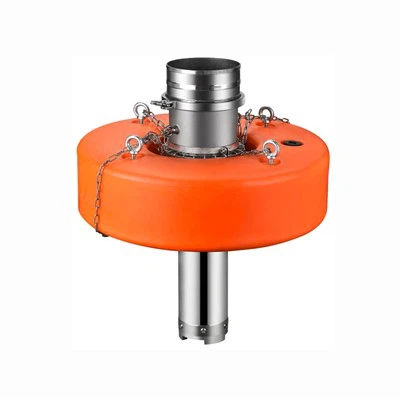
Hey there! As an industrial water pump supplier, I've seen firsthand how these pumps are workhorses in various industries. But with great power comes great responsibility, right? That's why safety precautions when using an industrial water pump are super important. In this blog, I'll share some key safety tips to keep you and your team out of harm's way.
Pre - Installation Checks
Before you even think about installing an industrial water pump, there are a few things you need to do. First off, make sure you've got the right pump for the job. We offer a wide range of pumps, like the Industrial Submersible Sump Pump, which is great for getting rid of excess water in sumps, and the Industrial Magnetic Pump, perfect for handling corrosive fluids.
Check the pump's specifications against your requirements. Look at the flow rate, head pressure, and the type of fluid it's designed to handle. Using the wrong pump can lead to inefficiency, damage to the pump, and even safety hazards.
Inspect the pump thoroughly for any visible damage. Look for cracks in the casing, bent shafts, or loose parts. If you find anything wrong, don't use the pump until it's been repaired or replaced. It's also a good idea to check the electrical components if it's an electric pump. Make sure the wiring is in good condition and there are no exposed wires.
Installation Safety
When it comes to installing the pump, follow the manufacturer's instructions to the letter. Incorrect installation can cause all sorts of problems, from leaks to electrical shocks. If you're not confident in your installation skills, hire a professional.
Ensure that the pump is installed on a stable and level surface. This prevents vibrations that can loosen parts over time and cause the pump to malfunction. If the pump is going to be in a wet area, make sure it's properly grounded to prevent electrical accidents.


For pumps that require piping, use the right type and size of pipes. Make sure all connections are tight and leak - free. Loose connections can lead to fluid leaks, which can be dangerous, especially if the fluid is corrosive or toxic.
Operating Precautions
Once the pump is installed, it's time to start using it. But before you hit the start button, make sure you've read the operator's manual. This will give you important information about how to operate the pump safely and efficiently.
Don't overload the pump. Each pump has a maximum capacity, and exceeding it can cause the motor to overheat and fail. Monitor the pump's performance regularly. Check the pressure gauges, flow meters, and temperature sensors. If you notice any abnormal readings, stop the pump immediately and investigate the problem.
If you're using a pump to handle hazardous fluids, wear the appropriate personal protective equipment (PPE). This might include gloves, goggles, and a respirator. Make sure the area around the pump is well - ventilated to prevent the buildup of fumes.
Maintenance Safety
Regular maintenance is crucial for keeping the pump in good working condition and ensuring safety. But maintenance can also be dangerous if not done correctly.
Before you start any maintenance work, turn off the pump and disconnect it from the power source. This prevents accidental startup, which can cause serious injury. Lock out and tag out the power source to make sure no one can turn it back on while you're working.
When cleaning the pump, use the right cleaning agents. Some chemicals can damage the pump's components, so make sure you're using something that's compatible with the pump's materials.
Inspect the pump's seals and gaskets regularly. Worn - out seals can lead to leaks, so replace them as soon as you notice any signs of wear.
Emergency Preparedness
Even with all the safety precautions in place, emergencies can still happen. That's why it's important to have an emergency plan.
Make sure all employees know what to do in case of an emergency, like a pump failure or a fluid leak. Have emergency shut - off procedures clearly posted near the pump.
Keep a first - aid kit nearby in case of injuries. And if the pump is handling hazardous materials, have spill - containment equipment on hand, such as absorbent pads and spill kits.
Training and Education
One of the most important safety precautions is training your employees. Make sure everyone who will be operating or maintaining the pump has received proper training.
Training should cover how to operate the pump safely, how to perform basic maintenance, and what to do in case of an emergency. Regular refresher courses are also a good idea to keep everyone up - to - date on the latest safety procedures.
Special Considerations for Different Types of Pumps
Let's talk a bit about some specific types of pumps. For example, the Mining Water Pump is used in harsh mining environments. In these settings, the pump is often exposed to dirt, rocks, and abrasive materials. So, it's important to have a good filtration system to prevent damage to the pump.
Industrial magnetic pumps, on the other hand, rely on magnetic coupling to transfer power. This means there are no mechanical seals, which reduces the risk of leaks. But they still need to be handled with care, especially when it comes to the magnetic components.
Conclusion
Using an industrial water pump safely is all about being prepared, following the rules, and being vigilant. By taking the right safety precautions during pre - installation, installation, operation, maintenance, and emergency situations, you can minimize the risk of accidents and keep your workplace safe.
If you're in the market for an industrial water pump or need more information about safety precautions, don't hesitate to reach out. We're here to help you find the right pump for your needs and ensure that you can use it safely and effectively.
References
- Manufacturer's manuals for industrial water pumps
- Occupational Safety and Health Administration (OSHA) guidelines for industrial equipment operation
- Industry best practices for pump installation, operation, and maintenance