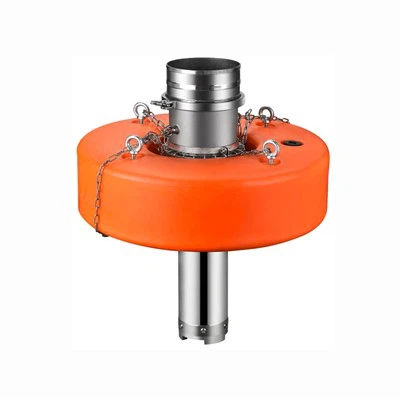
As a supplier of Electric Fire Fighting Pumps, I've often been asked about the performance curve of these crucial devices. Understanding the performance curve of an electric fire fighting pump is essential for anyone involved in fire protection systems, whether you're an engineer designing a new installation, a facility manager responsible for maintenance, or a contractor looking to specify the right equipment for a project.
What is a Performance Curve?
A performance curve is a graphical representation of a pump's performance characteristics. It shows the relationship between the pump's flow rate (usually measured in gallons per minute or liters per second) and its head (the pressure the pump can generate, typically measured in feet or meters). Other important parameters, such as power consumption, efficiency, and net positive suction head required (NPSHR), are also often included on the curve.
The performance curve is generated through rigorous testing in a controlled environment. Manufacturers run the pump at various flow rates and measure the corresponding head, power, and efficiency. These data points are then plotted on a graph to create the performance curve.
Key Components of an Electric Fire Fighting Pump Performance Curve
Flow Rate and Head
The most fundamental part of the performance curve is the relationship between flow rate and head. As the flow rate increases, the head generated by the pump decreases. This is because as more water is forced through the pump, there is more resistance in the system, and the pump has to work harder to maintain the flow.
For example, at a low flow rate, an electric fire fighting pump might be able to generate a high head, which is useful for applications where water needs to be pumped to a great height or through a long distance. However, as the flow rate increases, the head will gradually decrease until the pump reaches its maximum flow rate, at which point the head will be at its lowest.
Efficiency
Efficiency is another important parameter shown on the performance curve. It represents the ratio of the useful power output of the pump (the power used to move the water) to the power input (the electrical power consumed by the pump). A pump's efficiency typically reaches its peak at a certain flow rate, known as the best efficiency point (BEP).
Operating the pump at or near the BEP is ideal because it minimizes energy consumption and reduces wear and tear on the pump. If the pump is operated at a flow rate significantly higher or lower than the BEP, its efficiency will decrease, and it may also experience problems such as cavitation, which can damage the pump.
Net Positive Suction Head Required (NPSHR)
NPSHR is the minimum pressure required at the suction inlet of the pump to prevent cavitation. Cavitation occurs when the pressure at the suction inlet drops below the vapor pressure of the water, causing the water to vaporize and form bubbles. These bubbles then collapse when they reach the high-pressure area of the pump, creating shock waves that can damage the impeller and other components.
The NPSHR curve on the performance curve shows how the NPSHR changes with the flow rate. As the flow rate increases, the NPSHR also increases because more water is being drawn into the pump, and there is more resistance in the suction line. It's important to ensure that the available net positive suction head (NPSHA) in the system is greater than the NPSHR of the pump to prevent cavitation.
Why is the Performance Curve Important?
System Design
The performance curve is a crucial tool for engineers designing fire protection systems. By understanding the relationship between flow rate and head, they can select the right pump for the specific application. For example, if a building has a high-rise structure, a pump with a high head capability will be required to ensure that water can reach the upper floors.


The efficiency curve also helps engineers optimize the system design. By selecting a pump that operates at or near its BEP, they can minimize energy consumption and reduce operating costs over the life of the system.
System Operation and Maintenance
Facility managers and maintenance personnel rely on the performance curve to monitor the operation of the fire protection system. By comparing the actual performance of the pump (measured flow rate and head) with the performance curve, they can detect any problems or deviations from the normal operation.
For example, if the pump is not generating the expected head at a given flow rate, it could indicate a problem such as a clogged impeller, a worn-out seal, or a leak in the system. By identifying these issues early, maintenance personnel can take corrective action to prevent further damage and ensure the reliability of the fire protection system.
Compliance with Standards
Fire protection systems are subject to various national and international standards, such as NFPA 20 in the United States. These standards specify the minimum performance requirements for fire pumps, including the flow rate, head, and efficiency. The performance curve is used to demonstrate that the pump meets these standards and is suitable for use in a fire protection system.
Our Electric Fire Fighting Pumps
At our company, we offer a wide range of Electric Fire Fighting Pumps that are designed to meet the diverse needs of our customers. Our pumps are manufactured using the latest technology and high-quality materials to ensure reliable performance and long service life.
Each of our electric fire fighting pumps comes with a detailed performance curve that provides accurate information about its flow rate, head, efficiency, and NPSHR. This allows our customers to make informed decisions when selecting the right pump for their specific application.
In addition to our standard electric fire fighting pumps, we also offer Fire Pontoon Pumps and Commercial Fire Pump options. These pumps are designed for specific applications, such as firefighting in marine environments or large commercial buildings.
Contact Us for Procurement
If you're in the market for an electric fire fighting pump or have any questions about our products, we'd love to hear from you. Our team of experts is available to provide you with detailed information, technical support, and assistance in selecting the right pump for your needs.
Whether you're a small business looking for a simple fire protection solution or a large corporation in need of a complex system, we have the expertise and products to meet your requirements. Contact us today to start the procurement process and ensure the safety of your property and personnel.
References
- American National Standards Institute (ANSI). (Year). ANSI/UL 448: Standard for Fire Pumps.
- National Fire Protection Association (NFPA). (Year). NFPA 20: Standard for the Installation of Stationary Pumps for Fire Protection.
- Hydraulic Institute. (Year). Pump Standards.