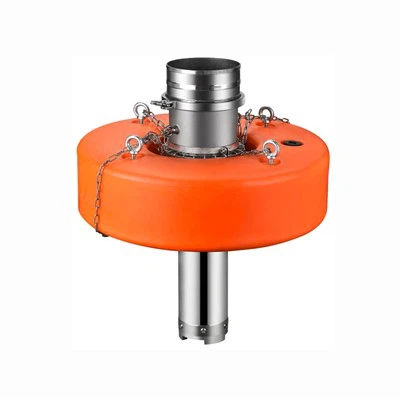
As a supplier specializing in submersible sprinkler pumps, I often encounter inquiries from customers about the maximum flow rate of these pumps. Understanding the maximum flow rate is crucial for various applications, especially in agricultural and irrigation contexts. In this blog, I'll delve into the factors that determine the maximum flow rate of a submersible sprinkler pump, discuss typical values, and explore its implications for users.
Understanding Submersible Sprinkler Pumps
A submersible sprinkler pump is a type of pump designed to be submerged in water. It is commonly used for irrigation systems, where it draws water from a well, pond, or other water sources and delivers it to the sprinkler system for efficient watering. The Submersible Sprinkler Pump is specifically engineered to meet the demands of distributing water over a large area with consistent pressure and flow.
Factors Affecting the Maximum Flow Rate
Several factors influence the maximum flow rate of a submersible sprinkler pump. These factors interact with each other, and understanding them is essential for selecting the right pump for a particular application.
Pump Design and Specifications
- Impeller Size and Design: The impeller is a crucial component of the pump that rotates to create the centrifugal force needed to move water. A larger impeller diameter generally allows for a higher flow rate, as it can displace more water with each rotation. Additionally, the design of the impeller, such as the number of blades and their shape, can affect the efficiency and flow characteristics of the pump.
- Motor Power: The motor provides the energy required to drive the impeller. A more powerful motor can rotate the impeller at a higher speed, resulting in a higher flow rate. However, it's important to note that increasing the motor power also increases the energy consumption of the pump.
Water Source Characteristics
- Water Depth: The depth at which the pump is submerged can impact its performance. As the water depth increases, the pressure on the pump also increases, which can affect the flow rate. In some cases, the pump may need to overcome a greater head pressure to deliver water to the surface, reducing the maximum flow rate.
- Water Quality: The quality of the water source, including the presence of sediment, debris, and chemicals, can affect the pump's performance. Sediment and debris can clog the pump's intake or impeller, reducing the flow rate. Chemicals in the water, such as salts or acids, can also cause corrosion and damage to the pump components, leading to decreased performance over time.
System Requirements and Configuration
- Pipe Size and Length: The size and length of the pipes used in the irrigation system can have a significant impact on the flow rate. A larger pipe diameter allows for a lower flow velocity, reducing friction losses and increasing the overall flow rate. Conversely, a longer pipe length increases the friction losses, which can reduce the flow rate.
- Number and Type of Sprinklers: The number and type of sprinklers used in the system also affect the flow rate. Different sprinklers have different flow requirements, and the total flow rate of the system is the sum of the flow rates of all the individual sprinklers. Additionally, the layout and spacing of the sprinklers can impact the distribution of water and the overall efficiency of the system.
Typical Maximum Flow Rates
The maximum flow rate of a submersible sprinkler pump can vary widely depending on the pump design, specifications, and the factors mentioned above. In general, small to medium-sized submersible sprinkler pumps used for residential or small-scale agricultural applications can have maximum flow rates ranging from a few gallons per minute (GPM) to around 50 GPM. Larger pumps used for commercial or large-scale agricultural irrigation can have maximum flow rates of 100 GPM or more.
For example, a typical Submersible Pump for Farming with a 1/2 horsepower (HP) motor may have a maximum flow rate of around 10 - 20 GPM, while a larger 2 HP pump can have a maximum flow rate of 30 - 50 GPM. These values are approximate and can vary depending on the specific pump model and operating conditions.
Importance of Choosing the Right Flow Rate
Selecting the right maximum flow rate for a submersible sprinkler pump is crucial for ensuring the efficient and effective operation of the irrigation system. If the flow rate is too low, the sprinklers may not receive enough water, resulting in uneven watering and reduced crop yields. On the other hand, if the flow rate is too high, it can lead to water wastage, soil erosion, and increased energy consumption.
When choosing a pump, it's important to consider the specific requirements of the irrigation system, including the size of the area to be irrigated, the type of crops being grown, and the water source characteristics. By selecting a pump with the appropriate flow rate, users can optimize the performance of the irrigation system, reduce water and energy consumption, and improve crop productivity.


Determining the Optimal Flow Rate
To determine the optimal flow rate for a submersible sprinkler pump, several steps can be followed:
Calculate the Water Requirement
- Determine the total water requirement of the irrigation system based on the size of the area to be irrigated and the water needs of the crops. This can be calculated using crop water requirements data and the irrigation efficiency of the system.
Consider the System Layout
- Take into account the layout of the irrigation system, including the number and type of sprinklers, the pipe size and length, and the elevation differences. This information can be used to calculate the pressure losses in the system and determine the required pump head.
Select the Pump
- Based on the calculated water requirement and pump head, select a submersible sprinkler pump with a maximum flow rate and head capacity that meet the needs of the irrigation system. It's also important to consider the pump's efficiency, reliability, and maintenance requirements.
Conclusion
In conclusion, the maximum flow rate of a submersible sprinkler pump is determined by a combination of factors, including pump design, water source characteristics, and system requirements. Understanding these factors is essential for selecting the right pump for a particular application and ensuring the efficient and effective operation of the irrigation system.
As a supplier of Submersible Sprinkler Pump, I am committed to providing high-quality products and expert advice to help our customers make the best choices for their irrigation needs. If you have any questions or need assistance in selecting the right pump for your application, please don't hesitate to contact us. We look forward to discussing your requirements and helping you find the perfect solution for your irrigation system.
References
- ASABE Standards. (2018). Agricultural Irrigation Systems. American Society of Agricultural and Biological Engineers.
- Clemmens, A. J., & Solomon, K. H. (2010). Irrigation and Drainage Engineering. John Wiley & Sons.
- Pumps & Systems Magazine. Various issues on submersible pump technology and applications.