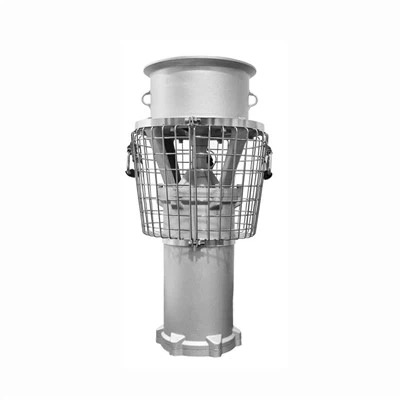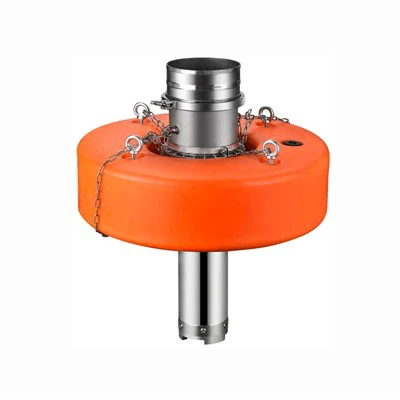
As a seasoned supplier of diesel engine pumps, I understand the critical role that proper lubrication plays in the performance and longevity of these powerful machines. Diesel engine pumps are widely used in various industries, including agriculture, construction, and emergency response, where they are relied upon to deliver consistent and efficient operation. In this blog post, I will share some essential tips on how to lubricate the moving parts of a diesel engine pump effectively.
Understanding the Importance of Lubrication
Before delving into the lubrication process, it's crucial to understand why lubrication is so important for diesel engine pumps. Lubrication serves several key functions:
- Reducing Friction: The moving parts of a diesel engine pump, such as pistons, bearings, and gears, experience high levels of friction during operation. Lubricants create a thin film between these surfaces, reducing friction and preventing wear and tear.
- Preventing Corrosion: Diesel engine pumps are often exposed to harsh environments, including moisture and chemicals, which can cause corrosion. Lubricants contain additives that protect metal surfaces from corrosion and rust.
- Dissipating Heat: The combustion process in a diesel engine generates a significant amount of heat. Lubricants help to dissipate this heat by carrying it away from the moving parts, preventing overheating and potential damage.
- Sealing and Cleaning: Lubricants also act as a sealant, preventing contaminants from entering the engine and reducing the risk of damage. Additionally, they help to clean the engine by carrying away dirt and debris.
Choosing the Right Lubricant
Selecting the appropriate lubricant for your diesel engine pump is crucial for optimal performance. The lubricant you choose should match the specific requirements of your engine, including its operating conditions, temperature range, and manufacturer's recommendations. Here are some factors to consider when choosing a lubricant:
- Viscosity: Viscosity refers to the thickness of the lubricant and its ability to flow. Diesel engine pumps typically require lubricants with a higher viscosity to provide adequate protection under high loads and temperatures. However, the viscosity should also be appropriate for the operating temperature range of the engine.
- Additives: Lubricants often contain additives that enhance their performance. These additives can include anti-wear agents, detergents, dispersants, antioxidants, and anti-corrosion agents. Consider the specific needs of your engine and choose a lubricant with the appropriate additives.
- Manufacturer's Recommendations: Always refer to the manufacturer's recommendations for the types of lubricants that are suitable for your diesel engine pump. Using the wrong lubricant can void the warranty and cause damage to the engine.
Lubrication Process
Now that you understand the importance of lubrication and have chosen the right lubricant, let's take a look at the lubrication process for a diesel engine pump:
- Prepare the Pump: Before lubricating the pump, make sure it is turned off and has cooled down. Clean the pump thoroughly to remove any dirt, debris, or old lubricant from the surfaces.
- Locate the Lubrication Points: Refer to the pump's manual to locate the lubrication points. These can include oil fill ports, grease fittings, and oil filters. Make sure you are familiar with the location of each lubrication point before starting the process.
- Drain the Old Lubricant: If you are changing the lubricant, start by draining the old lubricant from the engine. This can typically be done by removing the drain plug at the bottom of the oil pan. Make sure to collect the old lubricant in a suitable container for proper disposal.
- Replace the Oil Filter: While the old lubricant is draining, replace the oil filter. The oil filter helps to remove contaminants from the lubricant, ensuring that it remains clean and effective. Make sure to use a filter that is compatible with your engine.
- Add the New Lubricant: Once the old lubricant has been drained and the oil filter has been replaced, it's time to add the new lubricant. Refer to the pump's manual for the recommended oil capacity and type. Slowly pour the lubricant into the oil fill port, taking care not to overfill.
- Lubricate the Grease Fittings: In addition to the engine oil, some diesel engine pumps may have grease fittings that require lubrication. Use a grease gun to apply the appropriate type of grease to these fittings. Make sure to follow the manufacturer's recommendations for the frequency of greasing.
- Check the Oil Level: After adding the lubricant, check the oil level using the dipstick. The oil level should be within the recommended range. If necessary, add more lubricant until the oil level is correct.
- Start the Pump: Once you have completed the lubrication process, start the pump and let it run for a few minutes. This will allow the lubricant to circulate throughout the engine and reach all the moving parts. Check for any leaks or abnormal noises during this time.
Maintenance and Monitoring
Regular maintenance and monitoring are essential to ensure that the lubrication system of your diesel engine pump is functioning properly. Here are some tips for maintaining and monitoring the lubrication system:
- Follow the Maintenance Schedule: Refer to the pump's manual for the recommended maintenance schedule. This will include the frequency of oil changes, filter replacements, and grease applications. Make sure to follow these recommendations to keep your engine in good condition.
- Check the Oil Level Regularly: Monitor the oil level regularly using the dipstick. If the oil level is low, add more lubricant as needed. Low oil levels can cause damage to the engine due to insufficient lubrication.
- Inspect the Lubricant: Periodically inspect the lubricant for signs of contamination or degradation. If the lubricant appears dirty, cloudy, or has a strange odor, it may be time to change it.
- Look for Leaks: Check for any signs of oil leaks around the engine. Leaks can indicate a problem with the lubrication system and should be addressed immediately.
- Monitor the Engine Temperature: Keep an eye on the engine temperature gauge. Overheating can cause the lubricant to break down, reducing its effectiveness. If the engine temperature is higher than normal, stop the pump and investigate the cause.
Conclusion
Proper lubrication is essential for the performance and longevity of diesel engine pumps. By understanding the importance of lubrication, choosing the right lubricant, and following the correct lubrication process, you can ensure that your diesel engine pump operates smoothly and efficiently. Regular maintenance and monitoring are also crucial to keep the lubrication system in good condition.
If you are in the market for a reliable diesel engine pump, we offer a wide range of options to meet your needs. Our Portable Diesel Engine Pump is perfect for on-the-go applications, while our Heavy Duty Diesel Water Pump is designed for more demanding tasks.
For more information or to discuss your specific requirements, feel free to contact us. Our team of experts is ready to assist you in finding the perfect diesel engine pump solution for your business.


References
- Diesel Engine Pump Operation and Maintenance Manuals.
- Lubricant Manufacturer's Product Guides.