Selecting the right AC water pump is a crucial decision that can significantly impact the efficiency and effectiveness of your water - handling tasks. As an AC water pump supplier, I understand the complexities involved in this choice and am here to guide you through the process.
Understanding Your Needs
The first step in choosing the right AC water pump is to clearly define your requirements. Consider the purpose for which you need the pump. Are you looking to drain a flooded basement, supply water to a garden, or circulate water in an industrial process? Different applications demand different types of pumps.
For instance, if you need to handle sewage or wastewater, a Portable Sewage Pump would be a suitable option. These pumps are designed to handle solids and debris commonly found in sewage, preventing clogging and ensuring smooth operation. They are also portable, which means you can easily move them to different locations as needed.


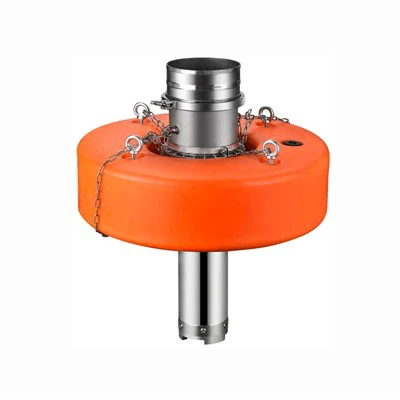
On the other hand, if you are dealing with an emergency situation such as a flood or a fire, an Emergency Rescue Water Pump is essential. These pumps are built to operate under extreme conditions and can quickly remove large volumes of water. They are often used by emergency response teams and in disaster - relief efforts.
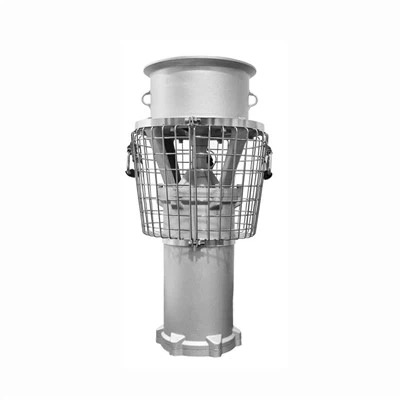
If your task requires moving a large amount of water in a short period, a High Flow Water Pump is the way to go. These pumps are designed to deliver high - volume water flow, making them ideal for applications such as irrigation of large fields or filling large water storage tanks.
Pump Capacity
Once you have determined the type of pump you need, the next factor to consider is the pump capacity. Pump capacity is usually measured in gallons per minute (GPM) or liters per second (L/s). It refers to the volume of water the pump can move in a given time.
To calculate the required pump capacity, you need to know the volume of water you need to move and the time frame in which you need to move it. For example, if you need to drain a 500 - gallon pool in 10 minutes, you would need a pump with a capacity of at least 50 GPM.
It's important to note that choosing a pump with a capacity that is too low will result in slow and inefficient water - handling, while a pump with a capacity that is too high can lead to excessive energy consumption and unnecessary wear and tear on the pump.
Head Pressure
Head pressure, also known as total dynamic head (TDH), is another critical factor in pump selection. Head pressure refers to the total resistance the pump must overcome to move water from the source to the destination. It includes factors such as the vertical distance the water must be lifted (static head), the friction loss in the pipes and fittings, and any pressure requirements at the discharge point.
When calculating head pressure, it's important to account for all these factors accurately. A pump that is not designed to handle the required head pressure will struggle to move water effectively, leading to poor performance and potential damage to the pump.
Power Source and Efficiency
AC water pumps are powered by alternating current (AC) electricity. When choosing a pump, consider the power requirements and the availability of the power source. Make sure the electrical supply at your location can meet the pump's power needs.
In addition to power requirements, energy efficiency is also an important consideration. An energy - efficient pump can save you money on electricity bills in the long run. Look for pumps with high - efficiency motors and advanced design features that reduce energy consumption without sacrificing performance.
Build Quality and Durability
The build quality and durability of the pump are essential, especially if you plan to use the pump in harsh or demanding environments. Look for pumps made from high - quality materials such as stainless steel or cast iron. These materials are resistant to corrosion and wear, ensuring a longer lifespan for the pump.
Check the pump's construction and design for features such as robust seals, bearings, and impellers. A well - built pump will be less likely to break down and require frequent maintenance.
Noise Level
If the pump will be used in a residential or noise - sensitive area, the noise level of the pump is an important consideration. Some pumps can be quite noisy, which can be a nuisance to you and your neighbors. Look for pumps that are designed to operate quietly, with features such as sound - dampening enclosures or low - vibration motors.
Manufacturer Reputation and Support
When choosing an AC water pump, it's important to consider the reputation of the manufacturer. A reputable manufacturer will have a track record of producing high - quality pumps and providing excellent customer support.
Research the manufacturer's history, read customer reviews, and check for any industry certifications or awards. A manufacturer with a good reputation is more likely to stand behind their products and offer reliable after - sales support, including warranty coverage and technical assistance.
Cost
Finally, cost is always a factor in any purchasing decision. While it's important to find a pump that fits your budget, don't compromise on quality and performance. A cheaper pump may save you money upfront, but it could end up costing you more in the long run due to frequent repairs, replacements, and higher energy consumption.
Compare the prices of different pumps, but also consider the value you are getting for your money. Look for pumps that offer a good balance of features, performance, and cost.
In conclusion, choosing the right AC water pump requires careful consideration of your specific needs, pump capacity, head pressure, power source, build quality, noise level, manufacturer reputation, and cost. As an AC water pump supplier, I am here to help you make the best choice for your application. If you have any questions or need further assistance in selecting the right pump, please feel free to contact us for a detailed discussion and procurement negotiation.
References
- "Pump Handbook" by Igor J. Karassik et al.
- "Fluid Mechanics and Hydraulic Machines" by R. K. Bansal.