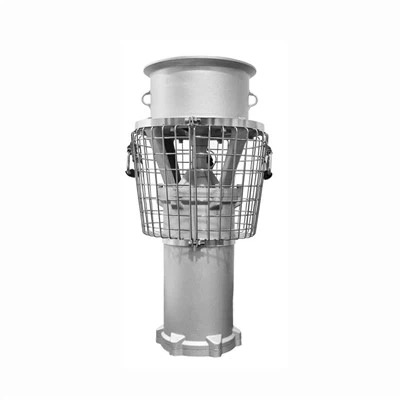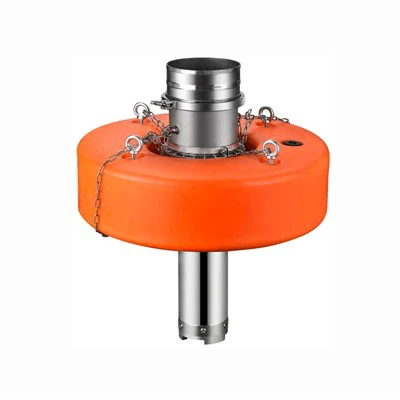
Maintaining a commercial irrigation pump is crucial for ensuring efficient water distribution, maximizing crop yields, and minimizing operational costs in agricultural and commercial settings. As a reputable supplier of Commercial Irrigation Pump, I understand the importance of proper pump maintenance. In this blog post, I'll share essential tips and best practices to help you keep your commercial irrigation pump in optimal condition.
Regular Inspections
Regular inspections are the cornerstone of effective pump maintenance. By identifying potential issues early on, you can prevent costly breakdowns and ensure the pump operates at peak efficiency. Here are some key areas to inspect:
- Exterior Condition: Check for signs of wear, corrosion, or damage on the pump casing, pipes, and fittings. Pay close attention to areas exposed to harsh environmental conditions, such as sunlight, moisture, and chemicals.
- Mounting and Alignment: Ensure the pump is securely mounted and properly aligned with the motor or driver. Misalignment can cause excessive vibration, premature wear, and reduced efficiency.
- Seals and Gaskets: Inspect the seals and gaskets for leaks or signs of damage. Leaking seals can lead to water loss, reduced pressure, and contamination of the pump and water supply.
- Electrical Connections: Check the electrical connections for tightness, corrosion, and proper insulation. Loose or corroded connections can cause electrical problems, overheating, and even fires.
- Lubrication: Verify that the pump's bearings and other moving parts are properly lubricated. Insufficient lubrication can cause excessive friction, wear, and premature failure.
Cleaning and Debris Removal
Keeping the pump and its components clean is essential for preventing clogs, blockages, and damage. Here are some cleaning tips:
- Intake Screen: Regularly clean the intake screen to remove debris, such as leaves, twigs, and sediment. A clogged intake screen can reduce water flow and cause the pump to overheat.
- Pump Interior: Periodically flush the pump interior to remove any accumulated dirt, sand, or other contaminants. Use a high-pressure water source or a cleaning solution recommended by the pump manufacturer.
- Pipework: Inspect the pipework for blockages and clean as necessary. Blocked pipes can restrict water flow and reduce the pump's efficiency.
- Filter: Replace or clean the filter regularly according to the manufacturer's recommendations. A dirty filter can reduce water flow and cause the pump to work harder.
Monitoring and Testing
Monitoring the pump's performance and conducting regular tests can help you detect potential issues before they become major problems. Here are some monitoring and testing techniques:
- Pressure and Flow: Use pressure gauges and flow meters to monitor the pump's pressure and flow rate. Sudden changes in pressure or flow can indicate a problem with the pump, pipes, or valves.
- Temperature: Monitor the pump's temperature using a thermometer or temperature sensor. Overheating can be a sign of a problem with the motor, bearings, or lubrication.
- Vibration: Use a vibration analyzer to monitor the pump's vibration levels. Excessive vibration can indicate a problem with the pump's alignment, balance, or bearings.
- Electrical Testing: Conduct regular electrical tests, such as insulation resistance tests and motor current tests, to ensure the pump's electrical system is functioning properly.
Maintenance Schedule
Establishing a regular maintenance schedule is essential for ensuring that all maintenance tasks are performed on time. Here is a sample maintenance schedule for a commercial irrigation pump:
- Daily: Check the pump's exterior condition, intake screen, and electrical connections. Monitor the pump's pressure and flow rate.
- Weekly: Clean the intake screen and inspect the pump's seals and gaskets for leaks.
- Monthly: Flush the pump interior and inspect the pipework for blockages. Replace or clean the filter.
- Quarterly: Conduct a comprehensive inspection of the pump, including the motor, bearings, and lubrication. Perform electrical testing and vibration analysis.
- Annually: Have the pump professionally serviced and calibrated. Replace any worn or damaged parts.
Troubleshooting Common Problems
Despite your best efforts, you may encounter some common problems with your commercial irrigation pump. Here are some troubleshooting tips:
- Low Water Pressure: Check the intake screen for blockages, the pipes for leaks or restrictions, and the pump's impeller for damage.
- High Water Pressure: Check the pressure relief valve for proper operation and adjust the pump's speed or pressure settings if necessary.
- Pump Not Starting: Check the electrical connections, the motor, and the control panel for problems. Make sure the pump is properly grounded and the power supply is stable.
- Leaking Pipes or Fittings: Tighten the connections or replace the seals and gaskets as needed. If the leak is severe, you may need to repair or replace the affected pipe or fitting.
- Excessive Noise or Vibration: Check the pump's alignment, balance, and bearings. Make sure the pump is securely mounted and the pipes are properly supported.
Importance of Using Genuine Parts
When it comes to maintaining your commercial irrigation pump, using genuine parts is essential. Genuine parts are designed to fit your pump perfectly and meet the manufacturer's specifications. They are also made from high-quality materials and undergo rigorous testing to ensure reliability and performance. Using non-genuine parts can void your warranty, cause premature wear and failure, and even pose a safety hazard.
Upgrade Your Pump for Better Performance
If you're looking to improve the performance and efficiency of your commercial irrigation system, consider upgrading to a Variable Speed Irrigation Pump. Variable speed pumps allow you to adjust the pump's speed and flow rate based on your specific needs, which can result in significant energy savings and reduced operating costs. They also provide better control over the irrigation system, which can improve crop yields and quality.
Choose the Right Pump for Your Needs
Selecting the right commercial irrigation pump is crucial for ensuring optimal performance and efficiency. When choosing a pump, consider the following factors:


- Flow Rate: Determine the amount of water you need to pump per minute or hour. This will depend on the size of your irrigation system, the type of crops you're growing, and the soil conditions.
- Pressure: Calculate the pressure required to deliver the water to the irrigation system. This will depend on the distance and elevation between the pump and the irrigation area, as well as the type of irrigation system you're using.
- Power Source: Choose a pump that is compatible with your power source, whether it's electricity, diesel, or gasoline.
- Pump Type: There are several types of commercial irrigation pumps available, including centrifugal pumps, submersible pumps, and turbine pumps. Choose the pump type that is best suited for your specific application.
Conclusion
Maintaining a commercial irrigation pump is essential for ensuring efficient water distribution, maximizing crop yields, and minimizing operational costs. By following the tips and best practices outlined in this blog post, you can keep your pump in optimal condition and avoid costly breakdowns. If you have any questions or need assistance with pump maintenance or selection, please don't hesitate to contact us. We're here to help you find the right solution for your commercial irrigation needs.
References
- Manufacturer's manuals and documentation
- Industry best practices and standards
- Professional irrigation contractors and technicians