Hey there! As a fire pump supplier, I've been in the thick of the fire safety game for quite a while. One question that often pops up is, "What is the relief valve for a fire pump?" Well, let's dive right in and break it down.
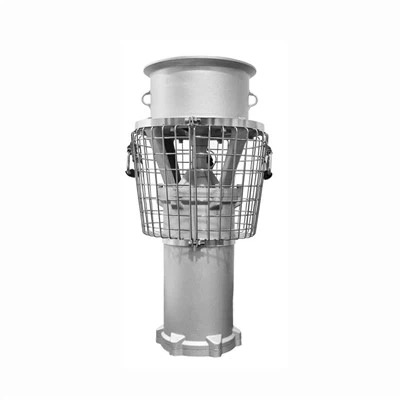
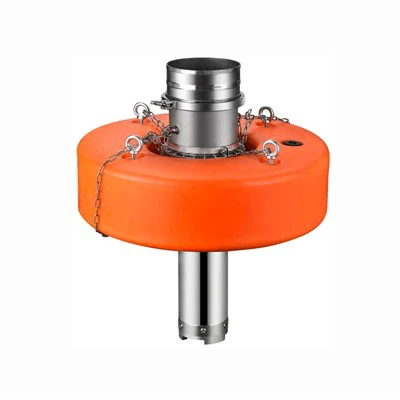
First off, a fire pump is a crucial part of any fire protection system. It's responsible for increasing the water pressure in a fire sprinkler system or other fire - fighting equipment to ensure that there's enough water flow to put out a fire effectively. Whether it's a Commercial Fire Pump for a big office building, a Fire Pontoon Pumps for more specialized applications, or an Electric Fire Fighting Pump, they all play a vital role in keeping people and property safe.
Now, let's talk about the relief valve. A relief valve for a fire pump is like a safety net. Its main job is to protect the fire pump and the entire fire protection system from over - pressurization. You see, when a fire pump is running, it can generate a whole lot of pressure. If that pressure gets too high, it can cause some serious problems.
For example, excessive pressure can damage the pipes in the fire sprinkler system. Pipes can burst, leading to water leaks that can flood the building and cause significant property damage. It can also put a lot of stress on the fire pump itself. The pump's components, like the impeller and the seals, can wear out much faster under high - pressure conditions. This not only shortens the lifespan of the pump but also increases the risk of pump failure when it's needed most.
So, how does a relief valve work? Well, it's pretty simple in concept. The relief valve is set to open at a specific pressure. This pressure setting is usually determined based on the design and specifications of the fire pump and the fire protection system. When the pressure in the system reaches or exceeds this set pressure, the relief valve opens up.
Once the relief valve opens, it allows some of the water to bypass the normal flow path and be redirected to a safe location. This could be a drain or a reservoir. By releasing this excess water, the pressure in the system drops back down to a safe level. Once the pressure is back below the set point, the relief valve closes again, and the normal operation of the fire pump and the system resumes.
There are different types of relief valves used in fire pump systems. One common type is the spring - loaded relief valve. In a spring - loaded relief valve, a spring is used to keep the valve closed. When the pressure in the system is lower than the set pressure, the force of the spring is strong enough to hold the valve shut. But when the pressure rises and overcomes the force of the spring, the valve opens.
Another type is the pilot - operated relief valve. This type of valve uses a small pilot valve to control the opening and closing of the main valve. The pilot valve senses the pressure in the system and sends a signal to the main valve to open or close. Pilot - operated relief valves are often used in larger fire pump systems because they can handle higher flow rates and more precise pressure control.
Now, choosing the right relief valve for a fire pump is super important. You can't just pick any old relief valve and expect it to work properly. You need to consider a few key factors.
First of all, you need to know the maximum pressure that the fire pump can generate. This information is usually provided by the pump manufacturer. You also need to know the flow rate of the fire pump. The relief valve needs to be able to handle the same flow rate as the pump to ensure that it can effectively relieve the excess pressure.
The size of the relief valve is also crucial. A valve that's too small won't be able to release enough water quickly enough to reduce the pressure. On the other hand, a valve that's too big can be expensive and may not provide accurate pressure control.
In addition to protecting the system from over - pressurization, relief valves also need to comply with various safety standards and regulations. There are national and international standards that govern the design, installation, and testing of relief valves in fire pump systems. For example, in the United States, the National Fire Protection Association (NFPA) has specific requirements for relief valves in fire protection systems.
Regular maintenance of the relief valve is also essential. Over time, dirt, debris, and corrosion can build up inside the valve, which can affect its performance. You need to inspect the relief valve regularly to make sure it's clean and in good working condition. This includes checking the valve for any signs of damage, like cracks or leaks, and testing the valve to make sure it opens and closes at the correct pressure.
As a fire pump supplier, I've seen firsthand how important a properly functioning relief valve is. I've worked with many customers who have had issues with their fire pump systems because of problems with the relief valve. Some customers didn't realize the importance of regular maintenance, and their relief valves failed to open when they were needed. This led to costly repairs and a lot of headaches.


So, if you're in the market for a fire pump, whether it's a Commercial Fire Pump, a Fire Pontoon Pumps, or an Electric Fire Fighting Pump, make sure you also pay close attention to the relief valve. It's an essential part of the system that can make a huge difference in the reliability and safety of your fire protection setup.
If you have any questions about fire pumps or relief valves, or if you're interested in purchasing a fire pump and need help choosing the right relief valve, don't hesitate to reach out. We're here to help you make the best decisions for your fire safety needs. Whether you're a building owner, a facility manager, or a contractor, we can provide you with the expertise and high - quality products you need to keep your property and people safe.
In conclusion, the relief valve for a fire pump is a critical component that shouldn't be overlooked. It plays a vital role in protecting the fire pump and the entire fire protection system from over - pressurization. By understanding how it works and making sure it's properly selected and maintained, you can ensure that your fire pump system will perform reliably when it matters most.
References
- National Fire Protection Association (NFPA) standards related to fire pump systems and relief valves.
- Manufacturer's documentation for fire pumps and relief valves.